

Speed Mingle News
Status Update: Unhinged and Blocked & Obsessed
Published on Saturday, October 3, 2026
In an era where personal relationships are routinely broadcast, monetized, and dissected in real time, the public spectacle titled “Status Update: Unhinged and Blocked & Obsessed” has emerged as a defining case study in the volatile economics of digital notoriety. The ongoing feud, which escalated rapidly across multiple social media platforms over the past week, highlights the increasingly blurred lines between genuine interpersonal conflict, calculated personal branding, and audience fascination with public breakdowns. Central to the controversy is a series of late-night livestreams, deleted posts, and aggressive subtweets that ultimately culminated in high-profile digital blockades, drawing millions of impressions and triggering widespread debate among internet culture analysts, behavioral scientists, and platform safety architects.
The friction initially surfaced when prominent digital creators exchanged a series of sharp, public accusations regarding creative theft and personal betrayal. What began as indirect commentary quickly devolved into unfiltered personal attacks, with one party launching a barrage of continuous updates that followers quickly characterized as unhinged. As the digital confrontation intensified, the responding party exercised the ultimate platform boundary by executing a complete digital block across all major network channels. Rather than diffusing the situation, the block served as a catalyst for further escalation, prompting a flurry of secondary accounts, dedicated reaction streams, and deep-dive investigative videos from third-party commentators attempting to decode the underlying motives of the obsession.
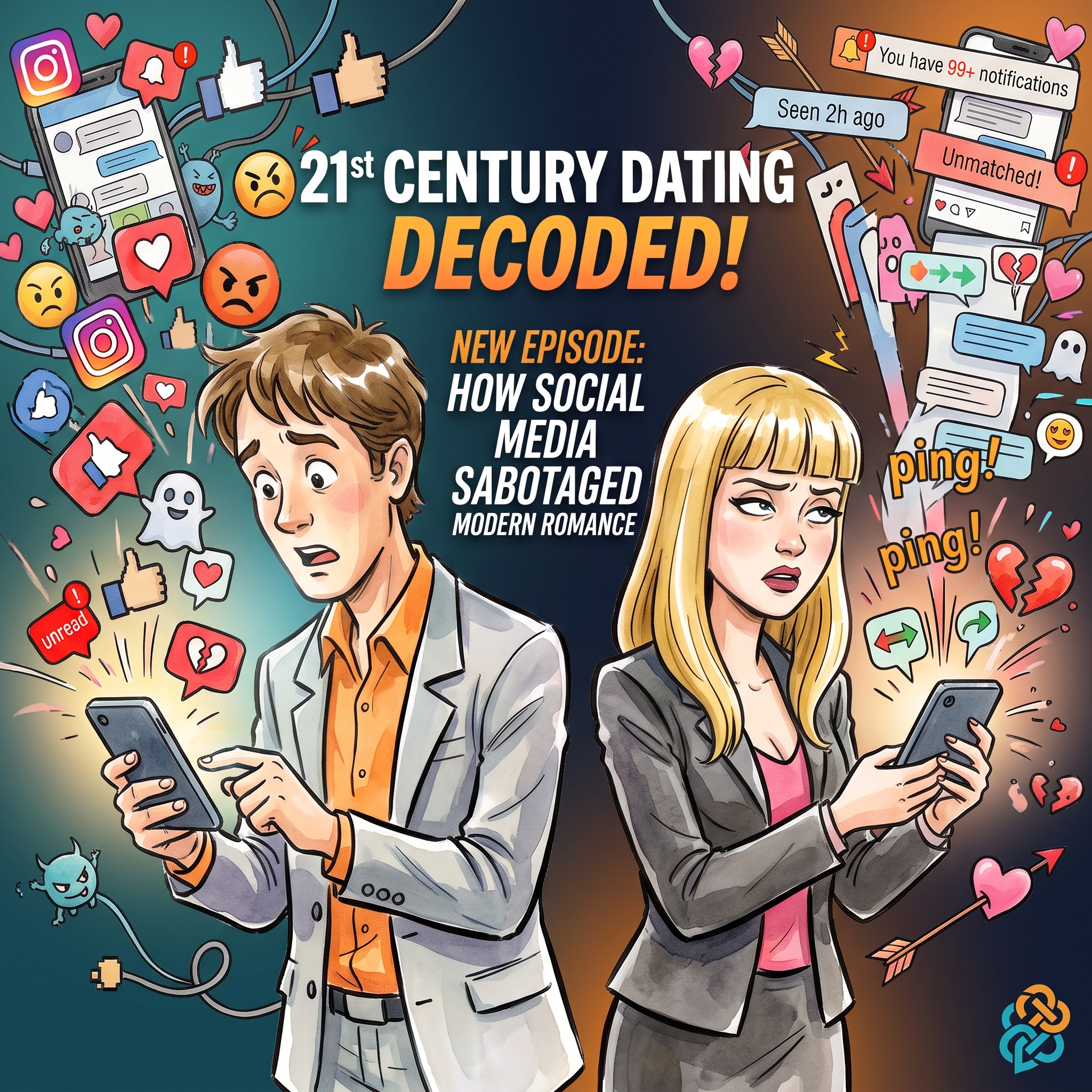
Sociological and media researchers note that this pattern of public meltdown followed by abrupt digital ostracization reflects a broader cultural shift in how modern audiences consume human conflict. Over the last decade, social media algorithms have increasingly incentivized high-arousal emotional content, rewarding volatile behaviors with higher engagement metrics, increased follower counts, and immediate monetization opportunities. The phenomenon of being simultaneously obsessed with an online opponent while formally blocked highlights the unique psychology of the digital sphere, where blocking someone acts less as a private boundary and more as a dramatic plot point in a serialized public narrative.
Industry insiders and crisis communications experts view the fallout through contrasting lenses, debating whether such conflicts are organic breakdowns or orchestrated public relations campaigns. According to digital strategist Elena Rostova, modern content creators operate in an ecosystem where negative attention often yields the same financial returns as positive engagement. Rostova stated that the sequence of acting out publicly, being blocked, and subsequently leaning into the fallout allows creators to capture audiences on both sides of the divide, transforming private distress into a lucrative narrative arc. Conversely, digital ethics advocates argue that normalizing extended online harassment under the guise of entertainment creates dangerous precedents for personal privacy and mental health standards across creator platforms.
Parallel to the rise of performative creator feuds is a growing psychological pattern where the digital act of blocking someone no longer serves as a silent termination of contact, but rather triggers heightened obsession and public speculation. Social media platforms have seen a surge in third-party workarounds, secondary profiles, and public post-mortems dedicated entirely to analyzing the motivations behind a block. What was originally designed by platform engineers as a simple safety and privacy feature has morphed into a high-stakes currency of digital status and emotional leverage. Digital culture researchers argue that these dual phenomena are the natural byproduct of interface designs that reward friction over quiet stability, noting that when platforms measure value through raw engagement metrics, aggressive personal oversharing and persistent digital surveillance become normalized tactics for remaining visible in a crowded network.
This shift from online expression to active fixation also raises critical legal and safety concerns regarding severe cyberstalking and digital harassment. Law enforcement agencies have reported a marked increase in cases involving individuals who transition from persistent online interaction to aggressive multi-platform harassment after being blocked. The pattern typically begins with elevated levels of one-sided online engagement that escalates rapidly once the receiving party attempts to establish boundaries through blocking. Forensic psychologists note that the act of digital rejection can heighten a stalker’s fixation, transforming passive online fascination into an active, obsessive campaign intended to force recognition or punish the victim, while current reporting mechanisms on major social networks remain largely reactive.
The underlying infrastructure of modern platforms further complicates these personal disputes through automated cloud storage mechanisms, passive backups, and background syncing routines. While these automated background features provide seamless data redundancy and user convenience during a healthy relationship or active collaboration, they convert into profound privacy vulnerabilities upon relational breakdown. End users frequently operate under mental models that view messaging applications as ephemeral, conversational channels rather than permanent archives, creating a dangerous divergence between user expectations and technological reality where sensitive assets, chat logs, and intimate media remain preserved in cloud servers long after personal bonds have severed.
Human-computer interaction researchers emphasize that this persistent data footprint creates severe friction regarding post-breakup data management and digital ownership. While a clear majority of users express a desire for former partners to permanently delete shared personal media following a relationship termination, more than half of individuals report never having communicated this preference to their partner due to social taboos and relational anxiety. Legal frameworks governing digital media tie ownership strictly to physical capture mechanics, whereas users operate primarily under models of psychological ownership and shared consent. When trust fractures, retained content becomes a severe security threat, leaving targeted individuals vulnerable to non-consensual media distribution and continuous digital harassment by non-expert adversaries exploiting basic user interface features.
To counter these systemic hazards, digital culture specialists recommend that individuals actively manage their digital environments through multi-layered boundary strategies. These tactical measures include utilizing native platform controls to mute or restrict accounts without triggering public confrontations, deleting ex-partner contacts from local address books to prevent automated social graph recommendations, and actively retraining recommendation algorithms by engaging with entirely new content verticals. Additionally, experts suggest implementing system-level barriers, such as app time limits and third-party site blockers during high-risk hours, to curb impulsive checking behaviors and establish physical friction against compulsion.
As platform moderation teams and legal experts continue to evaluate potential policy updates regarding targeted harassment, persistent online tracking, and intimate data retention, the incident stands as a stark reminder of the fragile nature of internet fame and personal privacy. Moving forward, major social networks face growing pressure from both users and regulatory bodies to transition toward trauma-informed computing and affirmative consent architectures. Proposed technical solutions include opt-in specialized messaging modes that disable local file saves, co-ownership data structures offering mutual deletion triggers, and frictionless relationship dissolution suites that allow users to retract access permissions without forcing direct confrontation. Whether “Status Update: Unhinged and Blocked & Obsessed” marks the peak of this trend or merely the baseline for future digital disputes, it underscores a media landscape where personal boundary enforcement, algorithmic design, and public obsession remain deeply and profitability entwined.
🎧 Where to Listen & Watch:
Audio Platforms: Listen on Apple Podcasts, Spotify, YouTube Music, Amazon Music, Audible, iHeart Radio, and Deezer.
Video (Speed Mingle Network): Watch on YouTube, Roku, Amazon Fire TV (search “Speed Mingle Network”), or via our mobile web app at SpeedMingle.mobi.
Official Hub: Visit 21stcenturydatingdecoded.com or TheSpeedMingle.com.
📲 Connect With Us: Follow @TheSpeedMingle across all social platforms!
⭐ Show Your Support: If you loved this episode, smash that subscribe button, drop us a 5-star review, and share the episode link with that friend who still uses an expired filter on a dark headshot! 😉
✨ Until our subsequent episode: remain deliberate, maintain protection, and consistently date with a defined purpose. ✨
#21stCenturyDatingDecoded #StatusUpdateUnhinged #BlockedAndObsessed #SpeedMingle #DatingInTheDigitalAge #ModernDating #DigitalBoundaries #RelationshipsAndTech #PodcastAlert #MixMatchMingle #OnlineDatingRelief #RealLifeConnections