

Speed Mingle News
Certified Freaks, Uncertified Dating
Published on Thursday, August 13, 2026
By 2026, Generation Z has executed a thorough, scorched-earth policy toward the carefully curated pretense that defined the Millennial “Hinge” era. The digital dating landscape, once an exhausting hall of mirrors featuring LinkedIn-style resumes, high-gloss elevator selfies, and calculatedly neutral biographical bullet points, has been systematically dismantled in favor of something vastly more raw, unpredictable, and vulnerable. This cultural sea change has ushered in the era of “Freak Matching”—a sweeping sociological pivot where the ultimate metric for romantic compatibility is no longer a shared five-year career trajectory, an overlap in real estate aspirations, or a common tax bracket. Instead, modern romance hinges on a mutual, unreserved embrace of one’s most unhinged habits, niche obsessions, and unfiltered domestic routines. In a hyper-connected world thoroughly fatigued by performative perfectionism, finding a partner who mirrors your hyper-specific flavor of “weird” has emerged as the foundational dating philosophy of the mid-2020s.
From Pop Culture Lyric to Cultural Paradigm: The Birth of the ‘Freak’
The strategic recontextualization of viral pop culture into actionable, real-world relationship standards has long been a hallmark of Gen Z’s digital influence. The catalyst for this specific romantic paradigm shift was R&B singer Tinashe’s 2024 breakout hit single “Nasty,” driven by its endlessly repeated, infectious central interrogation: “Is somebody gonna match my freak?”
While the original track carried distinctly suggestive, late-night undertones, the internet’s collective consciousness rapidly repurposed the lyric into a much broader, surprisingly wholesome benchmark for daily lifestyle alignment and psychological safety.
By 2026, the concept of “matching someone’s freak” has fully matured into a non-negotiable demand for “zero mask” authenticity. In practice, this phenomenon rarely involves underground subcultures or extreme lifestyle choices; rather, it manifests in the radical transparency of modern domestic life. It is the urgent search for a partner who will happily sit in absolute silence for six uninterrupted hours while you both independently hyperfocus on entirely separate niche projects. As popular culture creators like Morgan Pate and her contemporaries have extensively documented, “freak matching” is the unfiltered comfort of:
Consuming an entire family-sized bag of dill pickle chips in bed while meticulously dissecting a four-hour YouTube video essay on medieval siege architecture at 2:00 AM.
Having a full 15-minute emotional meltdown over a minor administrative inconvenience, only to have your partner calmly hand you an iced coffee without a single word of judgment, treating the absurdity as baseline reality.
This generational refusal to sanitize or edit the self suggests that for the youngest cohort of contemporary daters, the ultimate modern luxury is not status, glamour, or prestige—it is the rare experience of being deeply loved for one’s specific, unvarnished human oddities.
The Death of the Performative First Date: Tactics of the Unfiltered
The competitive ecosystem of modern romance is moving aggressively away from traditional, high-pressure, milestone-driven social events. Gen Z is actively tearing down the legacy dating playbook—which historically demanded dressing to the nines, rehearsing polite dinner conversation, and carefully suppressing one’s personal eccentricities until at least six months into a relationship—and replacing it with hyper-casual, low-stakes tactics designed to immediately stress-test daily “vibe compatibility.”
This structural evolution has birthed an entirely new lexicon of romantic interaction, redefining how young adults initiate and evaluate potential partnerships:
Choremance: The practice of bypassing traditional drinks or dinners to bond over the mundane, unglamorous realities of daily life—such as grocery shopping, running errands, or walking a dog—specifically to observe whether two individuals can maintain synergy within the routine boredom of the everyday.
Grim Keeping: A bonding strategy rooted in mutual, hyper-specific grievances (ranging from people who broadcast speakerphone conversations in crowded public spaces to individuals who slurp soup loudly), operating on the psychological premise that shared pet peeves often forge a more durable initial connection than forced common interests.
SABSing (“See and Be Seen”): A deliberate rejection of digital-first algorithmic matching structures. Originating in student publications like the University of Pennsylvania’s 34th Street, this tactic involves manufacturing organic “sliding-door” encounters by lingering in strategic offline public spaces—such as a specific campus bench, a local coffee shop, or the central section of a library—to invite spontaneous, real-world interactions.
Dating expert and author Rachel DeAlto highlights this systemic shift as a major structural “green flag.” DeAlto explicitly contrasts the radical vulnerability of “Freak Matching” with historically toxic defensive tactics like “Shrekking”—the act of intentionally “dating down” with a partner perceived as less attractive or accomplished simply to insulate oneself from the emotional risk of heartbreak.
“While trends like ‘Shrekking’ represent a defensive crouch born out of fear, ‘Freak Matching’ is an offensive play for radical self-acceptance. It demands that you show up as your full, unedited self from minute one.”
— Rachel DeAlto, Dating & Relationship Expert
The Data of the Unfiltered: The Platform Pivot
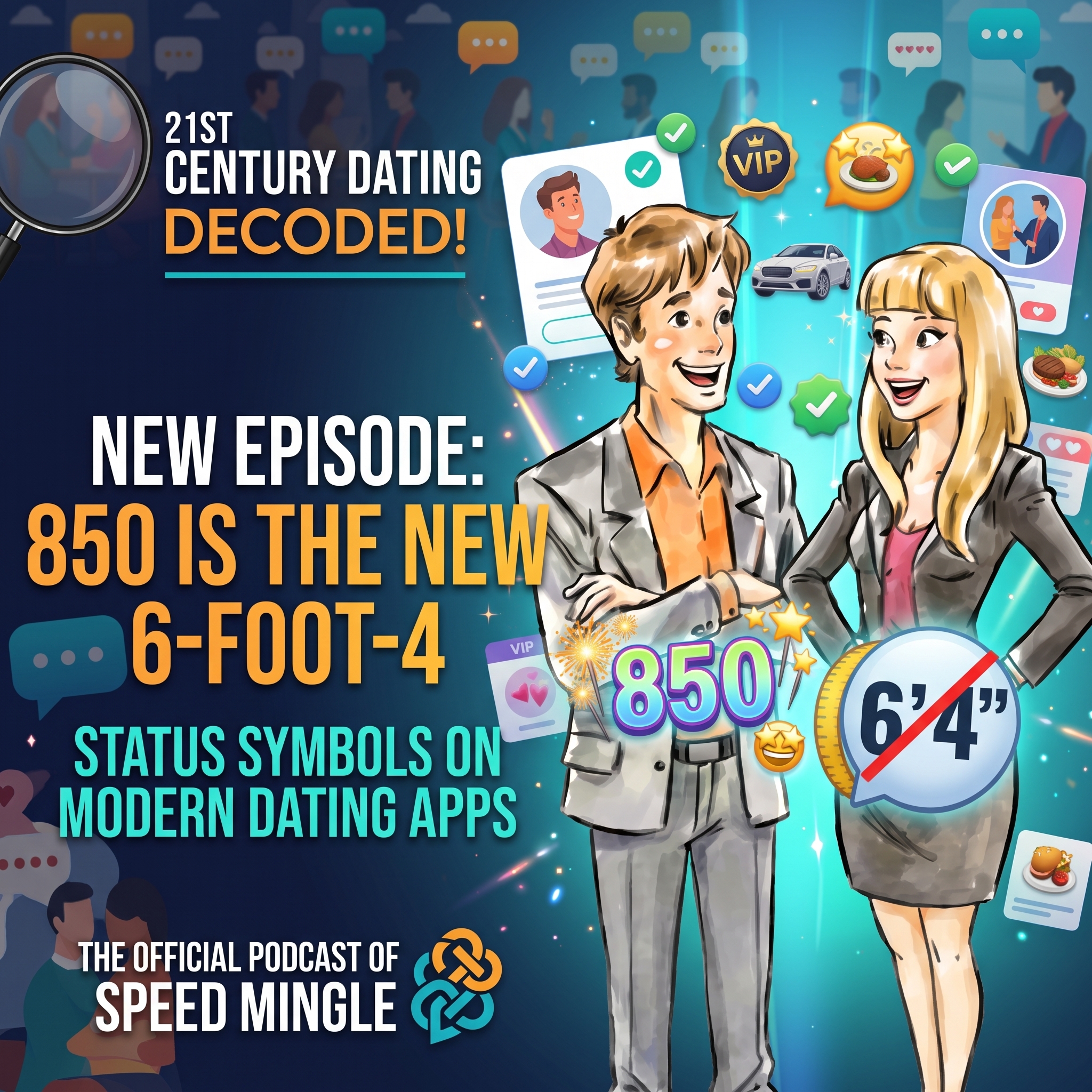
The dating industry’s major tech platforms are feeling intense institutional pressure to adapt to these behavioral shifts or face terminal user fatigue. Major application developers are now actively codifying these organic social trends, restructuring their underlying algorithms away from traditional status-based metrics like career status, education level, and height, toward nuanced behavioral and interest alignment.
When Rakuten Viber expanded its footprint into digital intimacy with the launch of Viber Dating on Valentine’s Day 2025, its subsequent analytical reports quickly reflected this cultural realignment. Nadav Melnick, Chief Product Officer at Rakuten Viber, has emphasized that uncurated authenticity has officially become a platform “superpower,” revealing that profiles highlighting bizarre personal quirks, hyperspecific hobbies, or self-deprecating habits consistently generate the highest user engagement and meaningful message exchanges.
The macroeconomic data paints a clear picture of a generation intentionally slowing down the romantic pipeline to ensure genuine emotional safety:
81% of Gen Z singles now explicitly report a preference for moving slowly in romantic pursuits, prioritizing deep emotional security and psychological transparency over fast-paced physical attraction or superficial lifestyle metrics, according to recent Match Group research.
39% of active users on platforms like Plenty of Fish report having formed a direct romantic connection over a highly specific personal quirk, following a massive, multi-year uptick in profile biographies explicitly demanding a partner who can “match my freak.”
As tech developers increasingly recognize that younger users are simply no longer willing to shrink, edit, or censor their personalities to maximize generic appeal, digital interfaces are being redesigned from the ground up—privileging conversational depth and personality quirks over superficial, rapid-fire swiping mechanics.
The Illusion of Intimacy: Surface vs. Substance
Despite the widespread enthusiasm for this era of uninhibited self-expression, relationship therapists and behavioral psychologists urge caution. As commercial algorithms rush to categorize and commodify the “freak,” a critical question emerges: Are modern daters mistaking shared surface-level eccentricities for long-term emotional substance?
While “Freak Matching” provides an exceptionally fun, highly effective entry point into modern romance, clinical experts warn that it can easily construct a dangerous “illusion of intimacy.”
Relationship therapist Marcus Vance cautions that finding a potential partner who shares your exact, hyper-specific obsession with an obscure 1990s anime series or a chaotic style of internet humor is a fantastic conversation starter, but it remains a poor substitute for the foundational structural elements required to sustain a healthy, lifelong partnership.
“Having the exact same chaotic sense of humor or bizarre middle-of-the-night habits is wonderful for initial rapport,” Vance explains. “However, shared eccentricities will not manage financial stress, resolve deep-seated conflict, or help a couple navigate grief. You cannot build a twenty-year marriage solely on a foundation of mutual weirdness.”
Echoing these concerns, relationship columnist Elena Vance points out that shared hyper-fixations do not automatically translate into emotional literacy, accountability, or effective communication skills. The underlying trap of the “Freak Match” phenomenon lies in the subtle temptation to mistake shared idiosyncratic preferences for shared core values, potentially blinding daters to severe red flags regarding character, emotional maturity, and long-term compatibility under the intoxicating spell of immediate “vibe alignment.”
The Future of Intentionally Unfiltered Romance
Despite these clinical warnings, the “Freak Matching” movement represents a vital, highly resilient cultural evolution: a decisive shift toward a world where radical self-acceptance serves as the baseline requirement for romantic connection. It stands as a powerful generational refusal to sanitize one’s core identity simply to achieve broad, unspecific mass appeal.
In a modern digital ecosystem increasingly saturated with AI-generated personas, heavily filtered photos, and algorithmic hyper-optimization, Generation Z is aggressively reclaiming and protecting a sacred space for raw, messy, authentic human oddity.
By choosing to lead with their eccentricities rather than their polished resumes, young daters are successfully rewriting the fundamental rules of romantic engagement. The future of romance appears increasingly—and deliberately—unfiltered. Gen Z has firmly decided that you do not need to dull your edges or quiet your personal noise to find lasting love; you simply need to find the person who actively wants to amplify it. In the final analysis, the demand to “match the freak” is nothing less than a demand for the ultimate modern luxury: to be seen, understood, and cherished exactly as you are—pickle chips, late-night YouTube essays, and all.
Never miss a beat, a strategy, or a reality check. Make sure you are plugged into the network to never miss an episode of 21st Century Dating Decoded!
🎧 Listen on the Go: Apple Podcasts, Spotify, YouTube Music, Amazon Music, Audible, iHeart Radio, or Deezer.
📺 Watch on Speed Mingle TV: YouTube, Roku, Amazon Fire TV (search “Speed Mingle Network”), or mobile web at SpeedMingle.mobi.
🌐 Engage & Subscribe: Access future segments at 21stcenturydatingdecoded.com.
Enjoyed the Episode? Support the Community:
Subscribe so you never miss an episode.
Leave a 5-star review to help growth-minded singles find us.
Share this link with that friend still using an outdated, poorly lit headshot with an expired digital filter. Their romantic future will thank you!
Take action: Secure your spot at an upcoming Speed Mingle event near you to Mix, Match, and Mingle!
Until next time: remain deliberate, maintain protection, and consistently date with a defined purpose. 💡✨
#21stCenturyDatingDecoded #FreakMatching #GenZDating #DatingDecoded #SpeedMingle #RelationshipAdvice #ModernRomance #AuthenticDating #DatingPodcast