

Speed Mingle News
The “Four Sixes” Phenomenon: Superficial Dating Metrics Trigger Widespread Digital Backlash
Published on Saturday, June 27, 2026
A highly reductionist and superficial dating rubric has recently proliferated across prominent social media platforms, including TikTok, Instagram, and X (formerly Twitter), igniting a polarizing discourse on contemporary courtship. Termed the “Four Sixes,” this viral checklist prescribes an uncompromising synthesis of physical and financial attributes that proponents argue a male partner must possess to qualify as a viable suitor. What originated as a superficial internet meme has rapidly metastasized into a significant cultural flashpoint. The phenomenon has catalyzed an extensive counter-movement spearheaded by relationship specialists, psychologists, and disillusioned singles, all of whom condemn these criteria as toxic, statistically improbable, and fundamentally detrimental to the architecture of healthy romantic relationships.
Deconstructing the Analytical Framework of the Viral Trend
The “Four Sixes” paradigm evaluates an individual’s relational worth through four hyper-specific, quantifiable metrics:
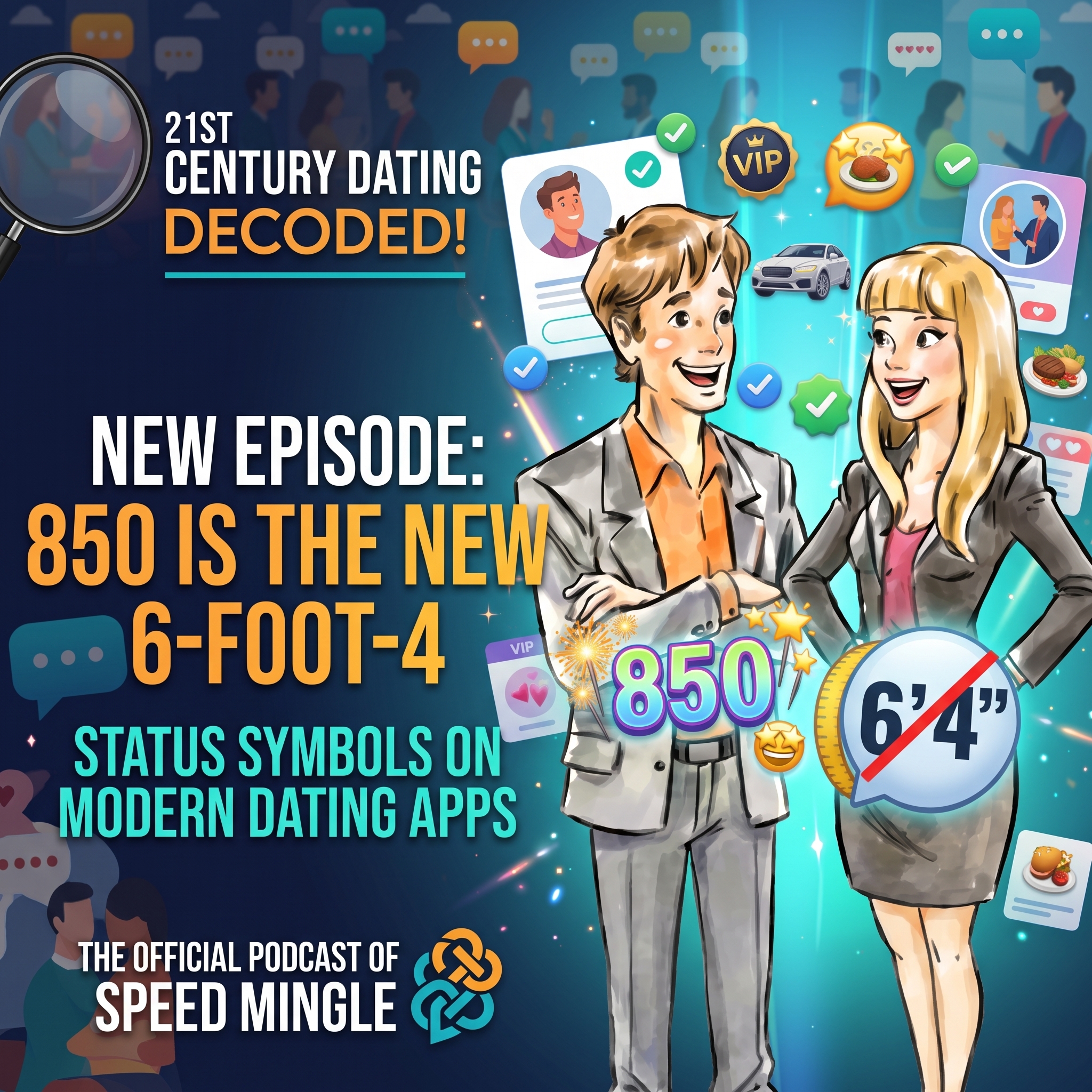
A Minimum Height of Six Feet: An anatomical requirement that immediately disqualifies approximately 85% of the global male population.
A Six-Figure Annual Income: A socio-economic benchmark that restricts eligibility to an elite bracket of top earners.
Six-Pack Abdominal Muscles: A physical standard demanding rigorous, highly disciplined athletic conditioning and an unsustainably low body-fat percentage.
An Anatomical Metric Exceeding Six Inches: A physiological attribute dictated entirely by genetic predetermination.
Propelled by platform algorithms designed to maximize engagement through controversy, this checklist has achieved exponential reach. The digital landscape is subsequently saturated with street-side interview formats, reactionary commentary, and contentious podcast debates, all of which reify these arbitrary metrics.
The Rise of the Value-Based Counter-Movement
Despite the considerable digital traction of the “Four Sixes” trend, it has generated an equally robust and oppositional ideological reaction. Instead of internalizing these superficial mandates, a burgeoning demographic of modern daters is utilizing the framework as a case study in dysfunctional relationship ideology. Behavioral experts and relationship therapists have systematically deconstructed the trend, cautioning that adherence to such rigid, one-dimensional parameters inevitably fosters interpersonal alienation and relational failure.
“When interpersonal connection is reduced to a quantitative spreadsheet of physical and financial variables, the foundational elements that sustain long-term partnerships are entirely bypassed,” notes prominent relationship therapist Dr. Elena Rostova. “A six-figure revenue stream or an athletic physique is incapable of providing emotional security, mutual respect, or alignment in core values.”
Consequently, counter-narratives such as the hashtag #BeyondTheSixes have gained significant momentum. This movement consciously pivots the collective focus away from superficial aesthetics toward non-quantifiable, substantive virtues, including emotional intelligence, psychological safety, and intrinsic kindness.
Structural Implications of Algorithmic Courtship and Consumer Fatigue
The structural implications of algorithmic courtship have fundamentally altered the landscape of modern romance, giving rise to profound consumer fatigue and dividing dating culture into two polarized paradigms: the hyper-quantified “Four Sixes” model and the emerging Relational Counter-Movement. In terms of primary focus, the “Four Sixes” model reduces human connection to rigid, superficial, and easily gamified metrics—typically prioritizing quantifiable data points such as wealth, height, and specific anatomical ideals. This data-driven approach treats partners as commodities to be filtered and sorted, a stark contrast to the Relational Counter-Movement, which redirects focus toward qualitative attributes. This counter-movement prioritizes deeply human elements like empathy, shared core values, emotional intelligence, and intrinsic character, viewing compatibility as an evolving dialogue rather than a matching score.
This divergence in focus dictates the socio-economic feasibility of each model, establishing entirely different barriers to entry. Because the “Four Sixes” model relies on highly specific, top-tier statistical benchmarks, it is inherently exclusive and elite, reserved for a fraction of the population capable of meeting these hyper-curated standards. This exclusivity fuels an exhausting, competitive market dynamic that leaves the majority of users feeling marginalized. Conversely, the Relational Counter-Movement is universally accessible and fundamentally inclusive. By basing connection on emotional capacity and character rather than socio-economic status or genetic lottery, it democratizes romance and restores a sense of agency to the average individual.
Ultimately, these structural dynamics dictate the psychological impact of modern courtship, directly driving or alleviating consumer fatigue. The relentless optimization of the “Four Sixes” model breeds heightened anxiety, chronic inadequacy, and a pervasive sense of superficial objectification, as users find themselves trapped in a continuous cycle of appraisal and rejection. The Relational Counter-Movement serves as a vital antidote to this burnout. By fostering emotional security and authentic validation, it replaces the transactional exhaustion of the swipe economy with a grounding, restorative framework that prioritizes genuine human dignity over algorithmic convenience.
Sociological and industry analysts suggest that the furor surrounding the “Four Sixes” is symptomatic of a broader, systemic exhaustion with contemporary digital romance. Years of reliance on swipe-based dating applications have effectively gamified the courtship process, inducing a psychological phenomenon known as “dating app fatigue.” Within this hyper-commodified ecosystem, prospective partners are frequently evaluated as consumer products rather than complex human beings. The intensifying backlash against the “Four Sixes” signifies a potential paradigm shift. By collectively repudiating these rigid digital standards, contemporary daters are signaling a societal desire to reject algorithmic superficiality in favor of authentic communication, emotional vulnerability, and substantive, unvarnished human connection.
🎧 Audio Syndication
Access our comprehensive audio catalog on all premium podcast networks, including Apple Podcasts, Spotify, YouTube Music, Amazon Music, Audible, iHeart Radio, and Deezer.
📺 Visual Broadcasts via Speed Mingle TV
Access premium, high-definition video content on YouTube, Roku, Amazon Fire TV (accessible by searching for “Speed Mingle TV Network” within the application interface), or via the HRB TV Network, our parent company’s dedicated broadcast channel.
🔗 Digital Engagement amp; Subscriptions
Ensure you remain ahead of contemporary sociological trends. Secure immediate access to all future broadcast segments by subscribing directly at our digital headquarters: 21stcenturydatingdecoded.riverside.com
#ModernDating #FourSixes #DatingAppFatigue #RelationshipAdvice #SpeedMingle #PodcastDrop #21stCenturyDatingDecoded #SubstanceOverStatistics