

Speed Mingle News
Swipe, Type, Repeat: The Real Benefits of Modern Love Trends
Published on Sunday, August 16, 2026
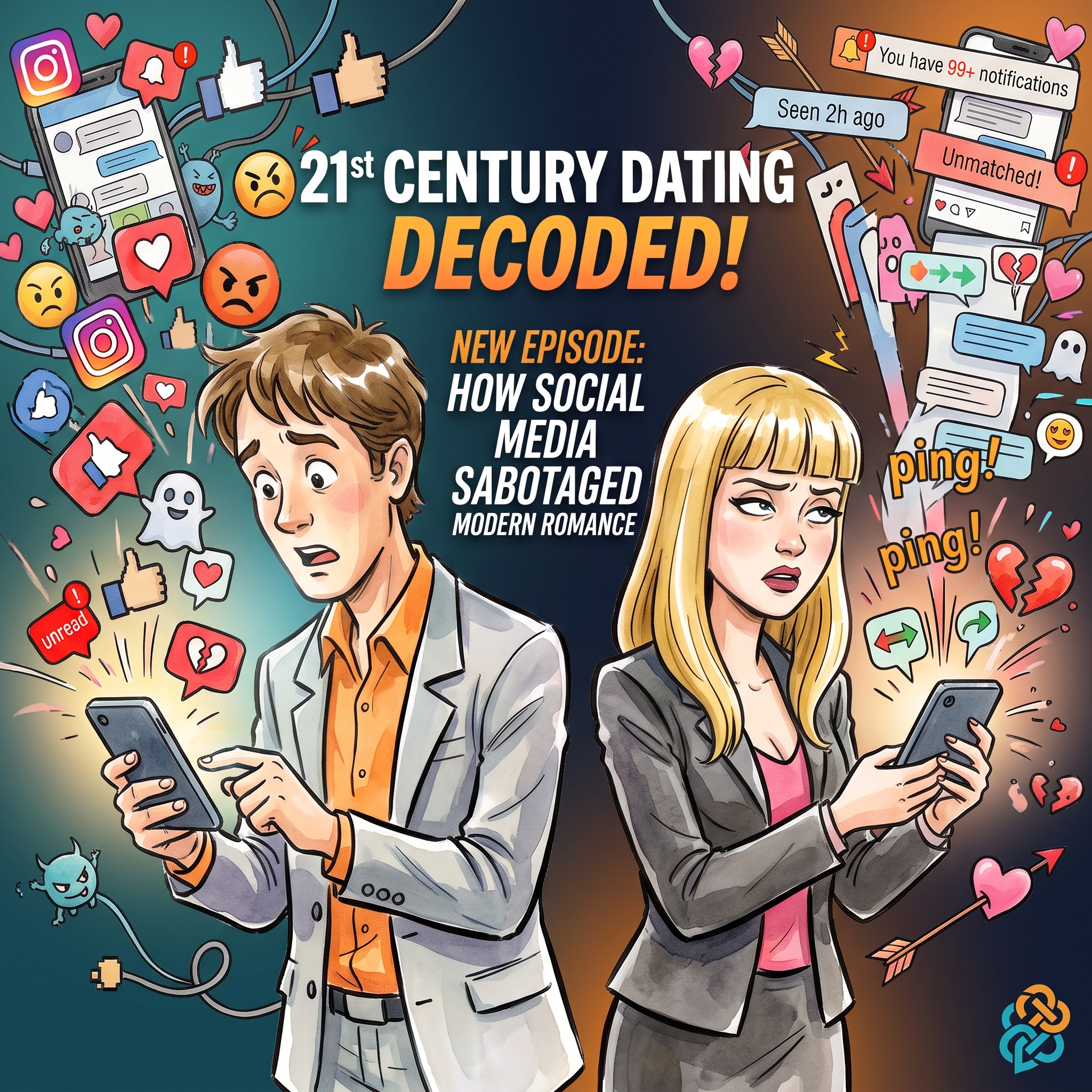
For over a decade, the narrative surrounding digital dating was dominated by cynicism. Critics decried swipe culture as a shallow, gamified marketplace that reduced human connection to a rapid succession of 5-inch profile cards. Terms like ghosting, breadcrumbing, and dating app fatigue entered the cultural lexicon, painting a grim picture of romance in the smartphone era.
Yet, behind the headlines of digital burnout lies a quiet, unprecedented transformation in how humans bond. Recent sociological data and relationship trends suggest that the modern tools of connection—swiping, messaging, and digital-first courting—are actually fostering more intentional, diverse, and enduring partnerships than the serendipitous “meet-cutes” of generations past.
Instead of destroying romance, technology has modernized it for a complex world.
Breaking Out of Geographic and Social Bubbles
Historically, humans chose partners from remarkably tiny pools: local neighborhoods, religious organizations, workplaces, or mutual friend groups. While nostalgic, this model severely restricted social mobility and cross-cultural interaction.
Digital platforms have fundamentally erased these geographical and insular boundaries. By allowing individuals to match based on shared values, niche interests, and core life goals rather than proximity, modern apps facilitate connections that would have been statistically impossible thirty years ago.
“Online dating breaks down social segregation,” notes Dr. Elena Rostova, a sociologist studying digital intimacy. “We are seeing a historic rise in intercultural, interfaith, and socioeconomic diversity among couples. People are stepping outside their comfortable echo chambers because an algorithm introduced them to someone they’d never cross paths with at their local coffee shop.”
Upfront Intentionality: Skipping the Guesswork
Traditional dating often involved weeks or months of ambiguous flirtation to figure out if someone was available, interested, or looking for the same type of relationship. Modern app trends have normalized radical transparency right from the first interaction.
Features across platforms now explicitly state a user’s relationship goals (e.g., long-term commitment, casual dating, marriage), family plans, political leanings, and lifestyle choices.
Filter First, Date Later: By establishing dealbreakers before the first date, singles filter out fundamental incompatibilities early, saving emotional bandwidth and time.
The Death of Mixed Signals: Prompts and profile badges eliminate the awkward “What are we?” stage by encouraging upfront clarity regarding boundaries and intentions.
Equalized Initiative: Features that require specific interactions or give equal agency in messaging have dismantled outdated gender dynamics, creating a more balanced playing field from day one.
Asynchronous Communication and Deepening Emotional Intimacy
The transition from a match to text messaging—the “type” phase—is often dismissed as superficial. However, relationship counselors highlight that asynchronous text communication allows singles to build emotional safety and intellectual compatibility before physical chemistry enters the equation.
Writing out thoughts, sharing media, and maintaining continuous, low-pressure conversations foster a unique form of digital vulnerability. Daters often discuss core beliefs, mental health, career aspirations, and personal histories more candidly over text or voice notes than they would across a noisy dinner table. When these couples finally meet in person, they often do so with a pre-established baseline of trust and mutual understanding.
The Data Speaks: Modern Marriages Are Thriving
Perhaps the most compelling argument for modern dating trends lies in relationship longevity. Multiple peer-reviewed studies tracking couples over the last decade have found that marriages between people who met online demonstrate equal—and in some studies, slightly higher—rates of marital satisfaction and lower rates of early separation compared to those who met offline.
Researchers attribute this to the “selection effect.” Because app users actively seek out a partner and deliberately select for compatibility before committing, their unions are often built on aligned values rather than mere proximity or convenience.
Singles Ditch Digital Checklists as Untyping Movement Transforms Modern Romance
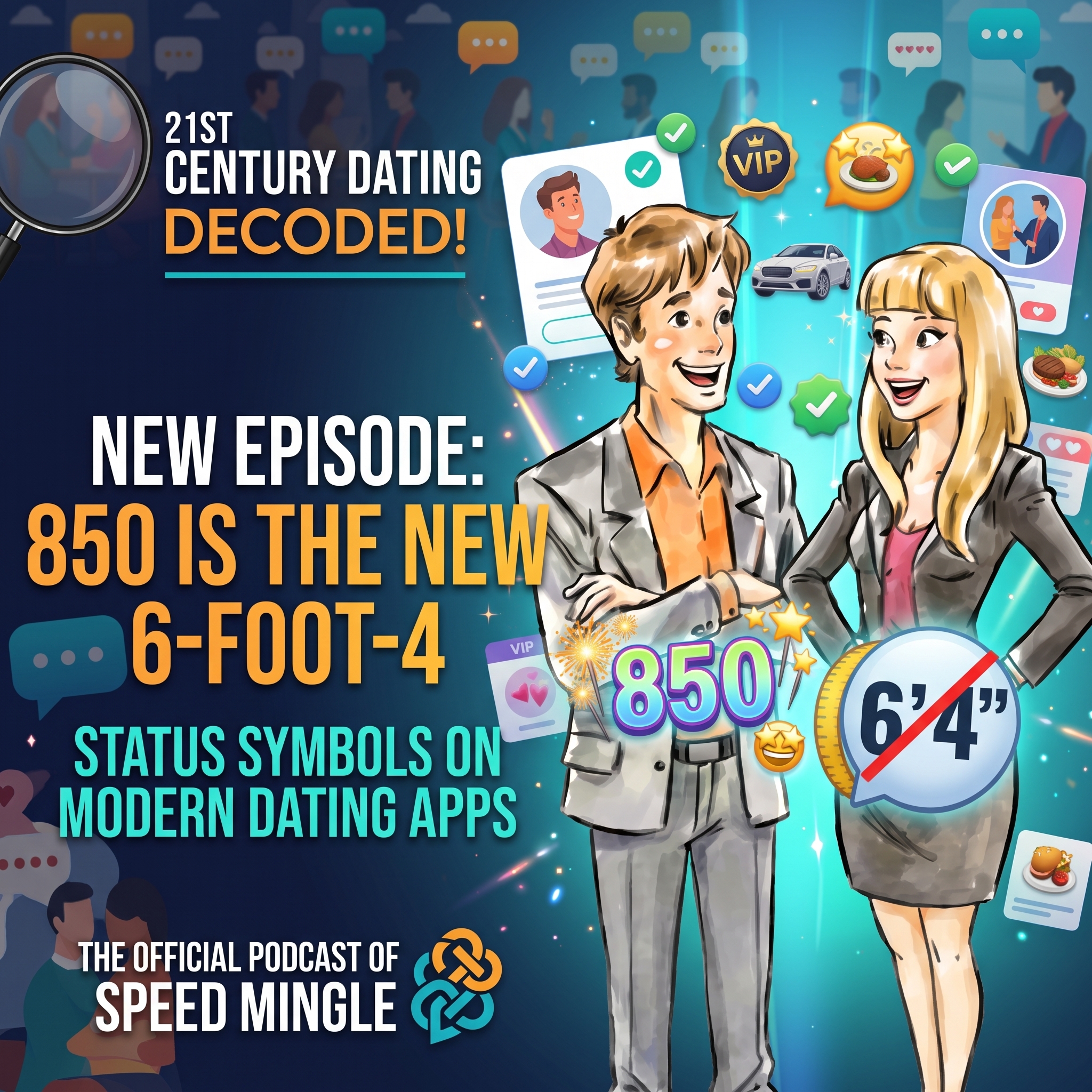
The era of the rigid digital checklist—a sterile inventory of height requirements, tax brackets, and hyper-specific lifestyle tropes—is officially ending. A collective exhaustion with the high-volume, low-reward mechanics of the swiping engine has triggered a strategic retreat from algorithmic dependency toward what experts label “untyping.” This isn’t a passive decline in dating activity; it is a calculated demand for emotional intelligence over superficial inventory. As single adults prioritize sustainable compatibility over preconceived templates, they are intentionally dismantling the habitual filters that once confined their romantic reach. This cultural pivot marks a fundamental reorganization of the romantic landscape, where the pursuit of authentic connection now relies on a toolkit of radical intentionality and behavioral precision.
This new era of mating is defined by behaviors that deliberately throttle the swiping engine to force a focus on singular, high-stakes connections. Evidence suggests that daters are increasingly “Love-loreing”—a trend where individuals go on dates simply to see where the narrative leads, treating the process with a sense of playful curiosity rather than rigid expectation. To combat the financial stress and dating fatigue of the traditional dinner date, many now favor “Micro-Dating,” utilizing low-pressure, thirty-minute coffee meets to vet baseline chemistry safely and efficiently. Furthermore, “StAtuS-flexing” has emerged as a vital tool for security, with daters demanding clearly defined labels to eliminate the ambiguous limbo of “situationships”. These tactical shifts do more than just manage time; they serve as an essential bridge to the deeper psychological disruption of habitual romantic archetypes.
The Anatomy of Untyping and Behavioral Realignment
The anatomy of “untyping” hinges on a sharp distinction between flexible preferences and non-negotiable standards, a move designed to break the repetitive, unfulfilling cycles dictated by one’s “type.” Relationship data from surveys of adult members on major platforms reveals that 42% of daters have experienced “Curveball-crushing,” or connecting deeply with someone entirely outside their usual checklist. Psychologists argue that a rigid “type” is often merely a reflection of past attachment wounds; by engaging in “contra-dating,” individuals expand their compatibility pool and allow attraction to grow organically over time. This methodology prioritizes core standards—such as kindness, shared values, and accountability—over superficial “wants” like exact career titles or physical height. By relaxing these rigid filters, daters not only foster personal growth but also prepare themselves to navigate the broader societal impact of a digitized dating world.
Digital dating platforms are now the primary engine of modern matrimony, with over 40% of new relationships beginning online. These algorithms are effectively shattering long-standing social silos, dismantling the geographical and socioeconomic barriers that once restricted romance to immediate peer groups. This shift has significantly accelerated interethnic and cross-cultural marriages by connecting individuals across previously impenetrable demographic circles. Strategic behaviors such as “Truecasting”—where daters report showing up to dates as their unvarnished, authentic selves from moment one—and “text-to-talk pipelines” allow for the establishment of emotional safety before physical presence is required. This digital buffer provides a critical advantage for introverted or neurodivergent individuals, allowing them to vet chemistry at a personalized pace. This democratization of connection is also revitalizing the relationship market for populations traditionally sidelined by the romantic mainstream.
Expanded Horizons: From Post-Socialist Rebirth to Global Intimacy
In post-socialist nations, aging adults are undergoing a “gray revitalization,” internalizing modern relational autonomy to describe their re-entry into romance as a process of feeling “alive again.” For the “young old” (aged 60 to 69), online dating offers access to a partner market that conventional social avenues can no longer provide, even as participation rates shift for older age brackets due to technology barriers. These individuals are increasingly pursuing “pure” relationships—long-term, committed bonds based on emotional and sexual equality that explicitly avoid the traditional traps of cohabitation or marriage. This strategic choice allows older daters to protect their independence, finances, and inheritance while specifically avoiding traditional domestic obligations. This shift toward autonomy in later life highlights a broader forward-looking trend toward agency in human connection.
A New Chapter for Love
The ultimate trajectory of modern romance is a refinement of human intimacy through radical transparency and self-awareness. While skeptics often dismiss the digital landscape as mechanical, the evidence suggests that couples who meet online often progress toward deep commitment faster because they align on critical life goals long before the first meeting. Modern trends like “ChemRIZZtry”—where daters remain open to catching unexpected charisma—demonstrate that the “swipe, type, repeat” cycle is not the death of romance but a modern gateway to it.
Swiping and typing are not romantic panaceas; they require digital literacy, healthy boundaries, and realistic expectations. But beneath the superficial interface lies a powerful network that democratizes romance, empowers individual choice, and helps millions navigate the complexities of modern companionship. By utilizing these tools with clear intention, individuals are building surprisingly durable foundations for long-term love in an increasingly complex world. The great romantic pivot proves that when humans trade the rigid checklist for genuine standards, the result is a deeper, more intentional form of connection.
The algorithm isn’t replacing real love—it’s simply clearing the path to help us find it.
Where to Listen amp; Watch
🎧 Audio Platforms:
Listen now on Apple Podcasts, Spotify, YouTube Music, Amazon Music, Audible, iHeart Radio, and Deezer!
📺 Video Platforms (Speed Mingle Network ):
Stream the video episode on YouTube, Roku, and Amazon Fire TV (search “Speed Mingle Network”), or watch on our mobile web app at SpeedMingle.mobi.
🌐 Official Hub: Catch all show notes and updates at 21stcenturydatingdecoded.com
🚀 Get Involved: Mix, Match, amp; Mingle!
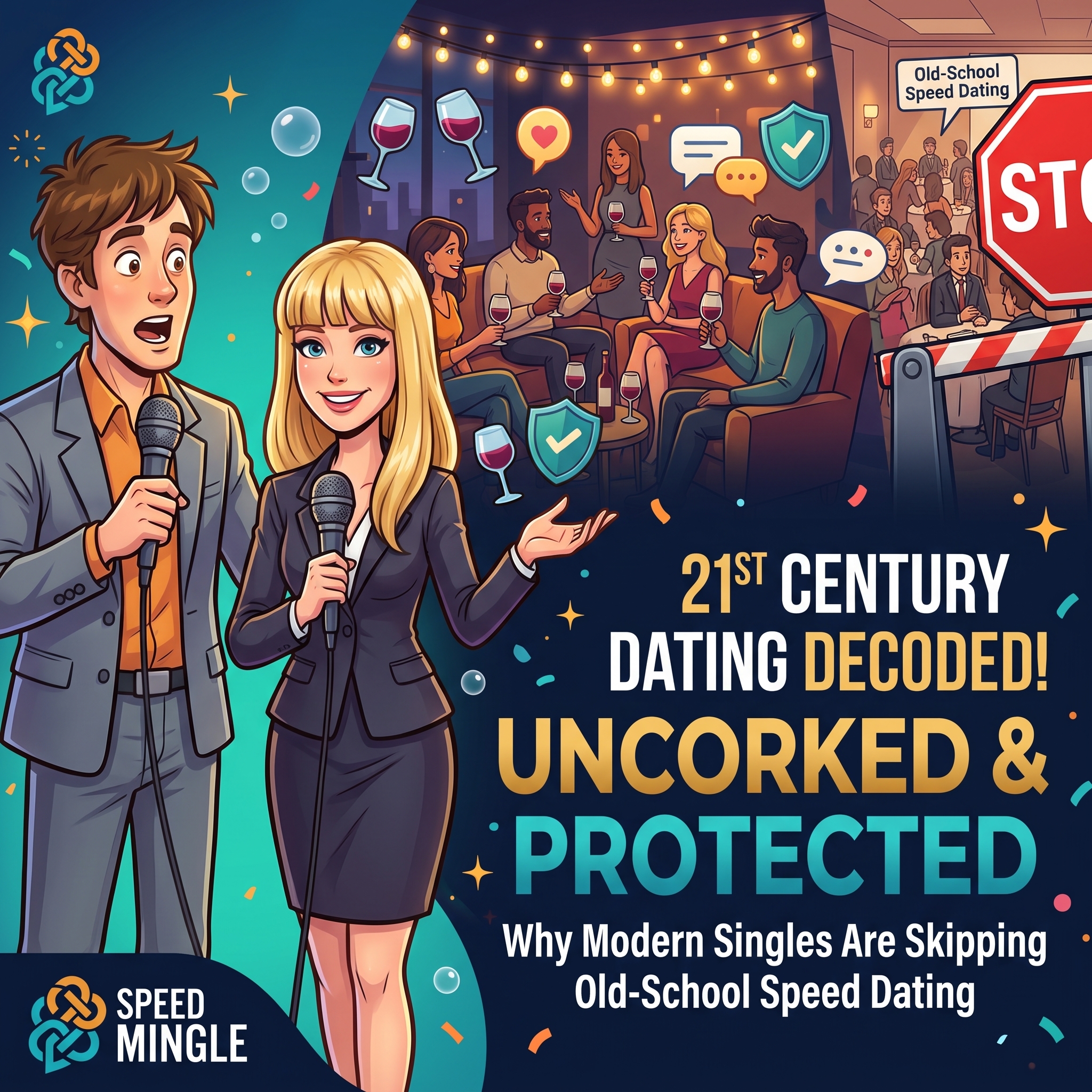
Ready to take the leap offline? Don’t just swipe—take the initiative! Attend a local Speed Mingle event to mix, match, and mingle with real singles in your area.
No event near you yet? Bring the love to your city! Reach out to Speed Mingle today to become a local host or venue partner and bring Speed Mingle events to your local community.
📲 Wrap-Up amp; Show Your Support
If you got value from this episode, do us a huge favor: smash that subscribe button, drop us a 5-star review, and share this link with that friend who still uses an expired filter on a dark headshot—you know exactly who we’re talking about! 😉
Until our subsequent episode: remain deliberate, maintain protection, and consistently date with a defined purpose.
#21stCenturyDatingDecoded #ModernLove #DatingTrends #OnlineDating #SpeedMingle #DatingAdvice #PodcastRelease #SwipeTypeRepeat #RelationshipsMatter #SingleLife #DateWithPurpose