

Speed Mingle News
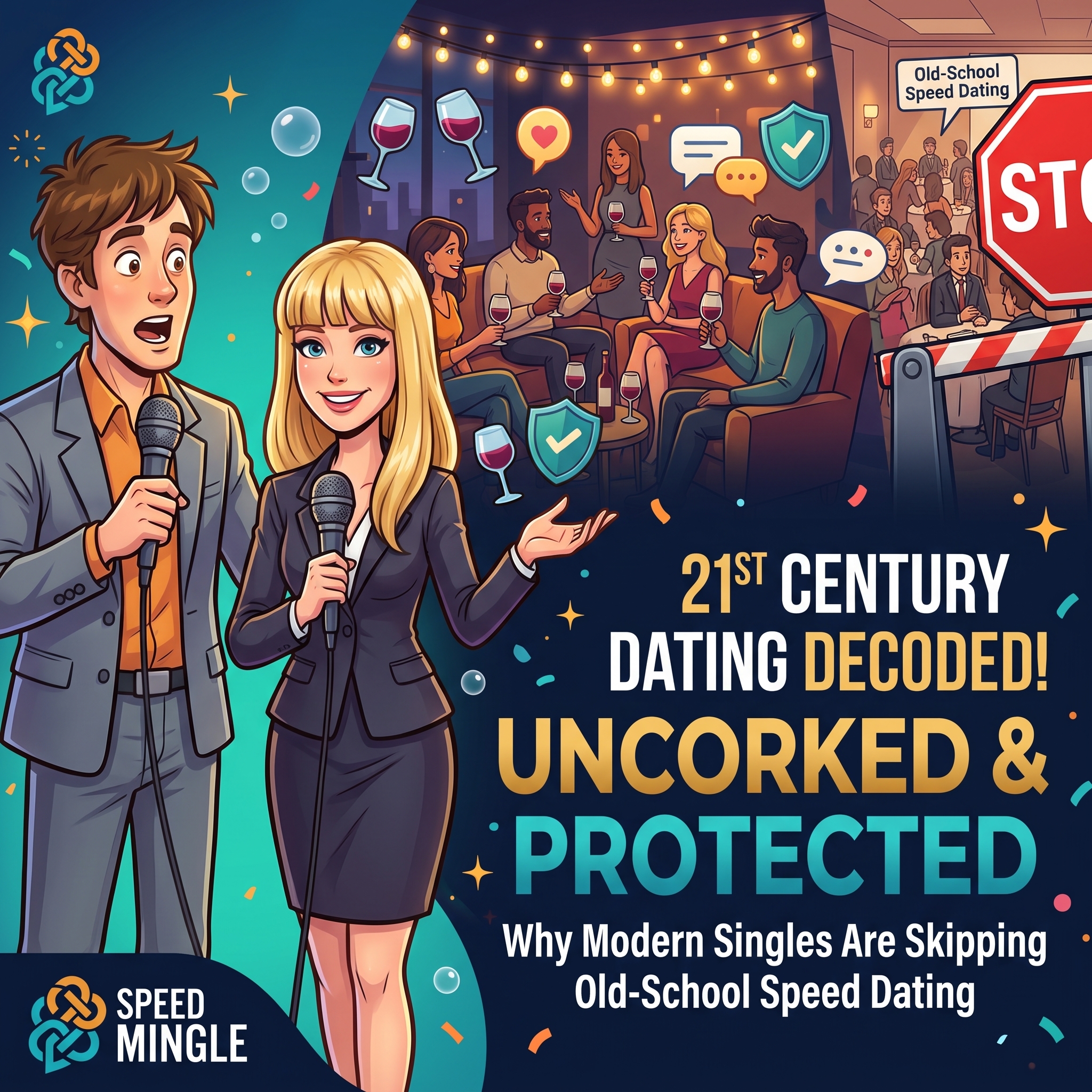
Spirits, Sparks & Real Connections: The Anti-Speed Date
Published on Wednesday, August 26, 2026
The Lede: The 2026 Shift Toward “Slow Dating”
An investigative look into the 2026 romantic realignment reveals a massive, defensive reallocation of consumer discretionary time. Across demographics, single individuals are orchestrating a collective retreat from the high-velocity, volume-based “numbers game” that defined early-2020s digital dating applications. This movement, broadly characterized as “Slow Dating,” has moved past simple trend status to become a vital strategic response to more than a decade of digital exhaustion, platform fatigue, and the sharply diminishing returns of transactional algorithm-driven matching.
At the center of this cultural evolution lies the philosophy of “radical intentionality.” Daters in 2026 are aggressively prioritizing emotional stability, verifiable reliability, and long-term value alignment over the immediate, fleeting dopamine responses generated by endless swiping. By intentionally dismantling the high-volume operational model, contemporary daters are reclaiming their finite emotional reserves, signaling a structural pivot toward relationship quality that actively challenges the monetization models of the modern attention economy.
This structural transition marks the official end of the immediate “spark” as the primary metric of romantic potential. Modern single adults are increasingly coming to understand that sudden, intense chemical chemistry is often little more than acute relational anxiety or pattern-matching familiarity in disguise. Ultimately, this profound behavioral evolution is firmly anchored in the dual forces of systemic psychological burnout and an unforgiving macroeconomic landscape.
The Catalysts of Burnout: Psychological and Economic Drivers
To fully comprehend the retreat from digital-first romance, one must analyze the strategic necessity of defending personal “mental equilibrium” within a highly fragmented societal structure. Data compiled over recent years indicates that by 2025, a striking 78 percent of active dating application users reported experiencing severe burnout. This widespread “swipe fatigue” rendered traditional swipe-based platforms functionally ineffective as romantic conduits, directly accelerating the rise of the “Joy of Missing Out” (JOMO). Under this new ethos, the quiet contentment of self-regulated solitude systematically replaces the anxiety-inducing performance art of attending mediocre, low-intent dates.
A deeper analysis of contemporary behavioral data highlights three distinct operational drivers behind this cultural pivot:
Economic Friction: Systemic economic inflation has severely eroded the traditional “dinner-and-drinks” date architecture. With 52 percent of Generation Z adults confirming that dating-related expenditures directly compromise their overall financial health and broader social mobility, romantic engagement has pivoted hard toward budget-conscious “Micro-mance” alternatives. Low-overhead social rituals, ranging from shared digital media exchanges to straightforward coffee walks, have become the standard entry points for initial compatibility screening.
The Sobriety Standard: The phenomenon of “dry dating” has transitioned rapidly from a niche lifestyle choice to a dominant cultural baseline. Approximately 67 percent of Generation Z and 63 percent of Millennials now actively pursue initial connections that are entirely unclouded by alcohol consumption. This multi-generational shift actively favors clear-headed psychological evaluation over the artificial, temporary social fluidity offered by traditional cocktail environments.
The Stability Moat: Against a backdrop of ongoing geopolitical and fiscal uncertainty, 59 percent of surveyed women explicitly prioritize consistent emotional availability, clear communication, and financial reliability over traditional, highly unpredictable romantic archetypes.
The broad transition away from immediate romantic volatility toward sustained emotional predictability represents a deep-seated human desire for interactions that feel psychologically safe. This cultural realignment is actively playing out in regional test markets—most notably within rising community-centric hubs like St. Lucie County, Florida—where the physical infrastructure of human connection is being deliberately redesigned around intentional, real-world engagement.
Regional Asset Analysis: St. Lucie County as a “Micro-mance” Laboratory
In the contemporary landscape of 2026, regional “third places”—spaces distinct from both home and work—have emerged as critical physical infrastructure for facilitating the slow dating paradigm. Community assets within St. Lucie County, Florida, offer useful case studies in how low-pressure, non-performative environments allow singles to screen for fundamental compatibility through shared experiences rather than structured, high-pressure interrogations.
Entertaining competitive venues such as local bowling centers like Bowlero or stylized mini-golf spots like PopStroke serve as dynamic real-world vetting grounds. PopStroke, in particular, utilizes mobile ordering tech that inadvertently aids the practice of “Hardballing”—the deliberate strategy of broaching essential, value-oriented questions early in a relationship. By minimizing traditional service delays, these environments allow conversations to flow without artificial interruptions.
Similarly, regional natural assets encourage a low-pressure “slow burn.” Locations like the 1,200-foot fishing pier in Fort Pierce or guided clear-bottom kayak routes through Fort Pierce Inlet State Park facilitate natural conversation by placing the focus outward on shared surroundings. Premium outdoor experiences, such as oceanfront horseback rides at Frederick Douglas Memorial Park, offer memorable shared contexts that validate the investment of personal time without requiring the financial overhead of high-end dining.
In terms of social design, local establishments like Hop Life Brewery leverage live entertainment, including dueling piano performances, to serve as an essential social buffer. Interactive entertainment reduces the interpersonal tension of initial meetings, creating an atmosphere where genuine interaction can occur naturally. These community hubs highlight the value of “Piazza” dynamics—real-world spaces where organic human connection acts as a powerful alternative to algorithmic matching.
These environments often support a structured approach to initial speed dating, unfolding over a five-minute arc. Conversations typically transition from playful opening observations to reflective mid-point discussions, eventually leaning into meaningful inquiries that foster authentic mutual disclosure. However, this growing societal push toward personal stability faces persistent friction from outside systemic logistical bottlenecks.
The Logistics of Vulnerability: TSA Friction and the Security Paradox
A notable operational obstacle to the sense of calm contemporary daters seek stems from institutional inefficiencies within national transportation hubs. The Transportation Security Administration (TSA) finds itself navigating a profound operational dilemma: attempting to enforce rigorous screening protocol following historical audit failure rates in detecting prohibited items, while simultaneously operating under a reduced frontline workforce of 5,600 personnel. This resource mismatch results in extended airport security queues that represent far more than routine travel delays; they create security vulnerabilities by concentrating large crowds in unsecured, pre-checkpoint areas.
These systemic delays are frequently compounded by common passenger oversights, reflecting a widespread lack of pre-arrival planning:
Identification Errors: Traveling without REAL ID-compliant credentials or failing to maintain accessible physical backups for digital identification systems.
Prohibited Carry-On Items: Attempting to transport liquids exceeding the 3.4-ounce limit or carrying specialized items such as gel-filled therapeutic pads, which automatically trigger mandatory manual inspections.
Instructional Disconnect: Overlooking location-specific directives issued by checkpoint officers, leading to process bottlenecks.
Underutilized Accessibility Services: Neglecting to pre-register for programs like TSA Cares, designed to assist travelers requiring medical or sensory accommodations.
Communication Gaps: Omitting real-time inquiry tools, such as the dedicated AskTSA support channel, to clarify screening policies prior to departure.
When identity verification issues arise at the airport, travelers must resort to contingency options such as TSA ConfirmID, an on-site identity verification process that carries a $45 fee and adds substantial time to the screening process. Recognizing these friction points, forward-thinking hospitality venues have begun embedding custom security prep guides directly into travel confirmation communications, aiming to alleviate arrival stress and provide guests with a smoother transition into their destinations.
Structural Barriers: Ageism, Machine Bias, and the Legal Standard
The friction observed in physical infrastructure finds a clear parallel in digital systems through the persistence of algorithmic ageism. Comprehensive research from institutions such as the Universitat Oberta de Catalunya (UOC) demonstrates that human biases are routinely encoded into digital architectures, creating structural barriers that marginalize older demographics across both dating platforms and digital employment systems.
The current legal landscape offers a complex framework for addressing age-based discrimination, distinguished by contrasting standards across sectors:
The Federal Sector Standard (Babb v. Wilkie): For federal personnel, employment decisions must remain entirely free from age-based discrimination. Liability is established if age is shown to be a motivating factor in the outcome. However, available remedies are primarily limited to injunctive relief unless the plaintiff meets the stricter “but-for” causation threshold to justify compensatory damages or retroactive adjustments.
The Private Sector Standard (Gross v. FBL Financial Services): In private sector claims under the Age Discrimination in Employment Act (ADEA), plaintiffs bear a heavier burden of proof. The worker must demonstrate that age was the primary, decisive “but-for” cause driving the adverse employment action.
State-Level Options: State jurisdictions often provide alternative avenues for legal recourse. Under the New Jersey Law Against Discrimination (NJLAD), for instance, plaintiffs may initiate claims directly in State Superior Court, bypassing the administrative backlogs commonly associated with federal agency reviews.
This legal complexity highlights the ongoing need for structural systems to align with evolving standards of fairness and intentionality. Until digital platforms and workplace tools are designed to filter out ingrained biases, software systems will continue to perpetuate outdated societal assumptions across personal and professional domains.
Reclaiming Connection in a Fragmented World
The broad cultural realignment of 2026 represents a sustained effort to build meaningful human connections despite digital fatigue and institutional friction. By shifting toward slow dating methodologies and reinvesting in real-world community hubs, modern society is actively creating spaces where individuals are recognized for more than their digital footprints.
The ultimate safeguard against both machine-driven social matching and everyday logistical stress lies in genuine responsiveness—the reassuring experience of being authentically heard and understood. As individuals navigate complex security processes in transit and work through biased algorithms online, intentional human connection remains an essential anchor. In the contemporary landscape, authenticity is no longer just a personal preference; it has become a fundamental requirement for maintaining meaningful relationships.
Take the initiative! Step out of the digital feedback loop and attend a local Speed Mingle event to Mix, Match, and Mingle with high-intent singles in person.
Don’t have a Speed Mingle event in your area yet? Reach out directly to Speed Mingle to become a local host or venue partner and bring intentional dating to your city!
Where to Listen & Watch
🎧 Audio Platforms: Tune in on Apple Podcasts, Spotify, YouTube Music, Amazon Music, Audible, iHeart Radio, or Deezer.
📺 Video (Speed Mingle TV): Stream on YouTube, Roku, Amazon Fire TV (search “Speed Mingle Network”), or access the mobile web app at SpeedMingle.mobi.
🌐 Official Hub: Find all episodes, tools, and updates at 21stcenturydatingdecoded.com.
Help us spread the word! Please smash the subscribe button, drop us a 5-star review, and share this episode link with that friend who still uses an expired filter on a dark headshot!
“Until our subsequent episode: remain deliberate, maintain protection, and consistently date with a defined purpose.”
#21stCenturyDatingDecoded #AntiSpeedDate #SlowDating #RadicalIntentionality #SpeedMingle #MixMatchMingle #ModernDating #IntentionalDating #RelationshipGoals #PodcastRelease #DatingDecoded