

Speed Mingle News
Speed Mingle Dating Slang of the Week: “Sneating”
Published on Friday, October 23, 2026
Unpacking “Sneating” in the Modern Dating Ecosystem
In today’s digital dating ecosystem, where swiping mechanics dictate initial encounters, romantic courtship is increasingly yielding to strategic, transactional behaviors. Modern dating app users navigating current swipe culture are regularly encountering “sneating”—a linguistic portmanteau blending “sneaky” and “eating.” The term defines an opportunistic practice where individuals schedule dates with zero romantic intent, participating in the outing solely to secure a free gourmet meal. Driven by widespread dating fatigue and emotional burnout from repeated, uninspired chemistry checks, some app users have re-evaluated initial meetings through a purely utilitarian lens. Rather than seeking authentic human connection, these daters leverage digital matches for material and culinary gain. Understanding how sneating functions in practice requires an examination of the precise operational mechanics that govern an opportunistic date from venue selection to departure.
Anatomy of an Opportunistic Date
Unpacking the operational structure of an opportunistic date provides critical visibility for daters seeking authentic romantic connections. The pattern typically begins during the setup phase, where the individual practicing sneating strategically influences venue selection. They consistently direct their match toward high-end, trendy, or newly opened culinary hot spots with steep price points—places they would not ordinarily splurge on using their own discretionary income.
Once seated at the restaurant, the interpersonal dynamic becomes a delicate balancing act of superficial charm. The individual maintains just enough polite conversation and engaging banter to keep the outing moving smoothly and ensure their partner covers the final bill. However, despite displaying superficial sociability, they strictly enforce physical and emotional distance throughout the meal to prevent any genuine intimacy or romantic expectations from developing.
The calculated encounter concludes with a swift, pre-planned exit strategy immediately after the check is settled. Fabricating an early morning work commitment or a strict sleep schedule, the individual excuses themselves promptly. In the hours or days following the date, they complete the disengagement process by either quietly fading out or sending a brief, polite “no spark” text message. These calculated behavioral patterns are far from isolated incidents, directly mirroring documented psychological traits and broader trends within the evolving lexicon of modern courtship.
Psychological Underpinnings and the Lexicon of Digital Courtship
Academic and sociological research frames opportunistic dating within specific psychological constructs and personality profiles. In scholarly literature, sneating is formally designated as a “Foodie Call.” Studies investigating this behavior reveal significant statistical correlations with high scores in dark triad personality traits, most notably Machiavellianism and narcissism, where manipulation and self-interest override empathy for romantic partners.
This psychological manipulation exists alongside an expanding dictionary of digital disengagement behaviors that characterize modern app-based dating. Orbiting occurs when a partner cuts off direct communication yet continuously lingers in one’s digital periphery by viewing social media stories and liking posts. Ghostlighting merges ghosting and gaslighting, occurring when someone vanishes without explanation and later resurfaces acting as though nothing happened or outright denying the significance of the previous relationship. Manipulative retention is further seen in breadcrumbing, where daters drop occasional flirty texts or vague plans to keep a partner hooked, and future faking, where individuals fabricate grand promises about upcoming vacations or living together without any intention of follow-through. Other strategic behaviors include throning, which involves dating exclusively for elevated social status and clout; simping, where an individual goes overboard seeking approval at the expense of their own self-respect; and cuffing season, where daters seek temporary winter relationships without long-term commitment. Gentle disengagement is captured by caspering—a softer ghosting alternative named after Casper the friendly ghost that relies on delayed responses before fading away—while textationships remain strictly digital bonds built on daily chatter and meme exchanges that fail to materialize into real-world dates. Confronted by this array of manipulative behaviors and artificial interactions, a growing financial counter-movement is reframing how initial dates are structured.
The Financial Rebound: “Affordating” and Low-Pressure Alternatives
In direct response to opportunistic habits like sneating, a cultural pivot toward financial transparency and low-stress dating environments has gained significant traction. Termed “affordating,” this anti-sneating movement involves daters explicitly requesting low-cost, budget-friendly activities—such as grabbing a simple cup of coffee, taking a stroll through a local park, or getting ice cream—to strip monetary expectations from initial chemistry checks. To remove financial pressure, daters are turning to immersive outdoor activities, such as lying down a blanket to stargaze under the night sky, taking a nature walk along scenic hiking trails, or sharing a simple park picnic stocked with a few favorite foods.
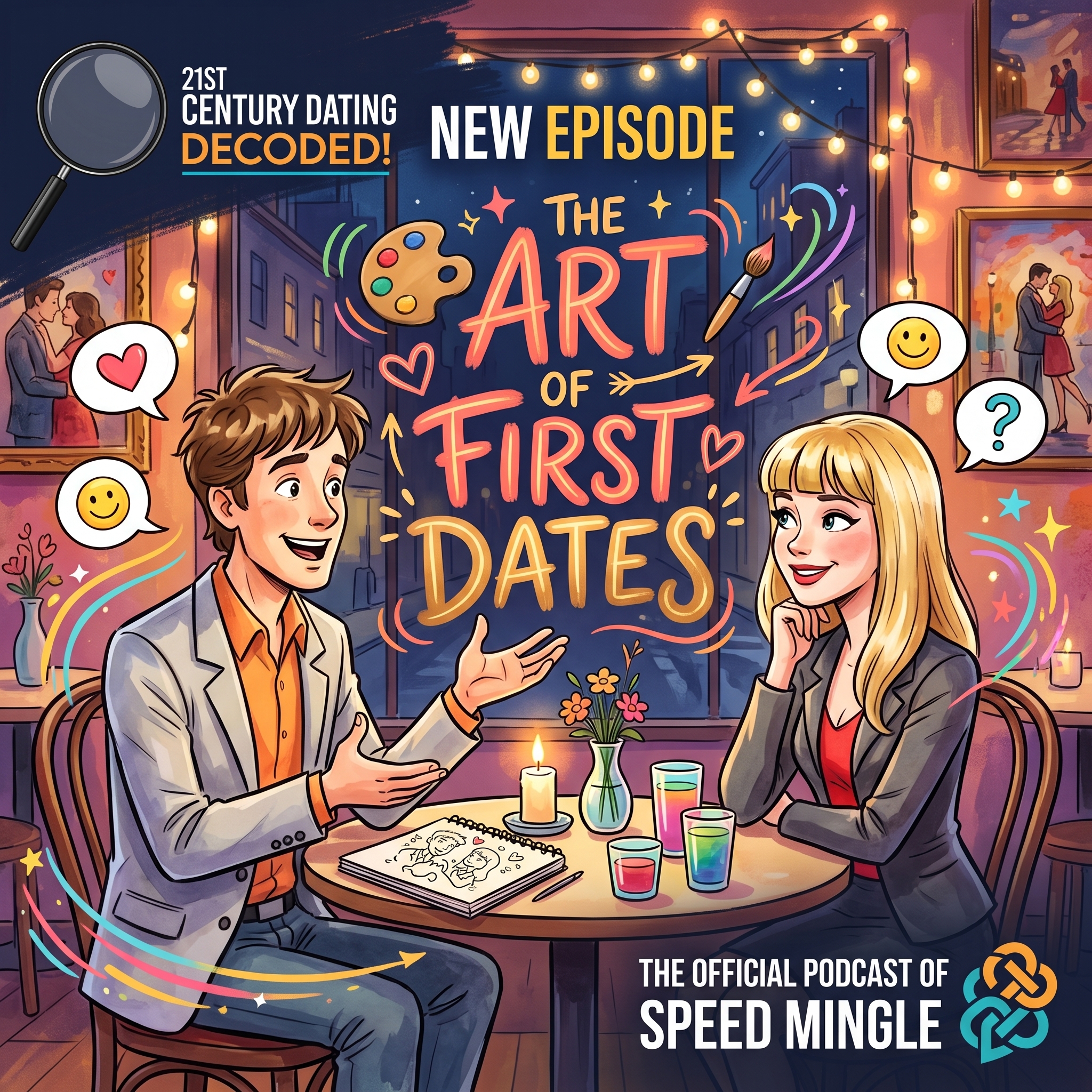
Collaborative and creative date concepts provide additional non-transactional avenues for evaluating mutual compatibility without financial overstimulation. Partners can test their rapport and willingness to be vulnerable by sitting across from one another to draw portraits using paper, pencils, or paint, or by entering the kitchen to bake a cake together to test basic cooking skills. Other creative alternatives include writing short poems to exchange and read aloud, or curating and exchanging custom music playlists that reflect personal taste and shared mood.
Community-oriented and home-based wellness activities round out the spectrum of low-pressure date alternatives designed to foster genuine connection. Daters are increasingly choosing to volunteer together at local food pantries or animal shelters, offering a meaningful foundation for shared values while giving back to the community. At home, couples can unroll yoga mats for a relaxing living room yoga session, or host a cozy movie night complete with popcorn, candy, and cookies. This structural push toward low-cost, intentional interactions mirrors broader demographic shifts and sociological realities documented across digital dating platforms.
Sociological Outlook and Demographic Realities
Analyzing the broader sociological landscape of digital romance reveals critical insights into user demographics, platform safety, and algorithmic biases. Sociological research, including a 2024 study by Paul Thomas examining user experiences across major platforms such as Bumble, Tinder, and Hinge, establishes that the primary user base ranges between ages 20 and 23, with 21-year-olds representing 22 percent of total users. User motivations on these platforms are fragmented: 36.6 percent of respondents actively seek romantic relationships, 36.6 percent seek casual encounters, and 9.8 percent use the platforms for friendship. However, platform reliability remains deeply questionable among users, with 51.2 percent expressing uncertainty about whether the apps are reliable. Safety risks are similarly pronounced, as 34.1 percent of users report experiencing catfishing, scams, abuse, or harassment, while 53.7 percent believe women and queer individuals are disproportionately targeted.
Decision-making on these platforms is further complicated by “The Halo Effect”—a psychological phenomenon identified by L.L. Thorndike in 1920, summarized by the cognitive bias that “beautiful is good.” On dating apps, visual cues create immediate social stratification; photo clarity suggesting an expensive iPhone, luxury clothing choices versus pajamas, and pristine travel backgrounds prompt users to infer high social strata, fair skin, and elevated status. These visual judgments mirror Eurocentric beauty standards perpetuated by historical media tropes, such as Disney archetypes favoring fair, long-haired, thin women alongside tall, muscular men. To navigate these complex visual and economic dynamics safely, modern daters must establish rigorous personal boundaries, prioritize financial transparency, and lean into low-pressure, low-cost dates to insulate themselves against opportunistic behavioral traps like sneating.
🎧 Where to Watch & Listen
Tune in now across all major platforms (search “Speed Mingle Network”):
- Streaming & Podcasts: Apple Podcasts, Spotify, YouTube Music, Amazon Music, Audible, iHeart Radio, Deezer, YouTube
- TV Platforms: Roku, Amazon Fire TV, Google TV
- Mobile Web App: SpeedMingle.mobi
- Official Web Hubs: 21stcenturydatingdecoded.com | TheSpeedMingle.com
- Follow Us: @TheSpeedMIngle
If you enjoyed this episode, please smash that subscribe button, drop us a 5-star review, and share the episode link with that friend who still uses an expired filter on a dark headshot!
“Until our subsequent episode: remain deliberate, maintain protection, and consistently date with a defined purpose.”
#21stCenturyDatingDecoded #SpeedMingle #Sneating #FoodieCall #DatingSlang #ModernDating #MixMatchMingle #DatingPsychology #PodcastEpisode