

Speed Mingle News
The Anatomy of Bum-Maxxing: Inside Dating’s Most Notorious Efficiency Tactic
Published on Thursday, September 17, 2026
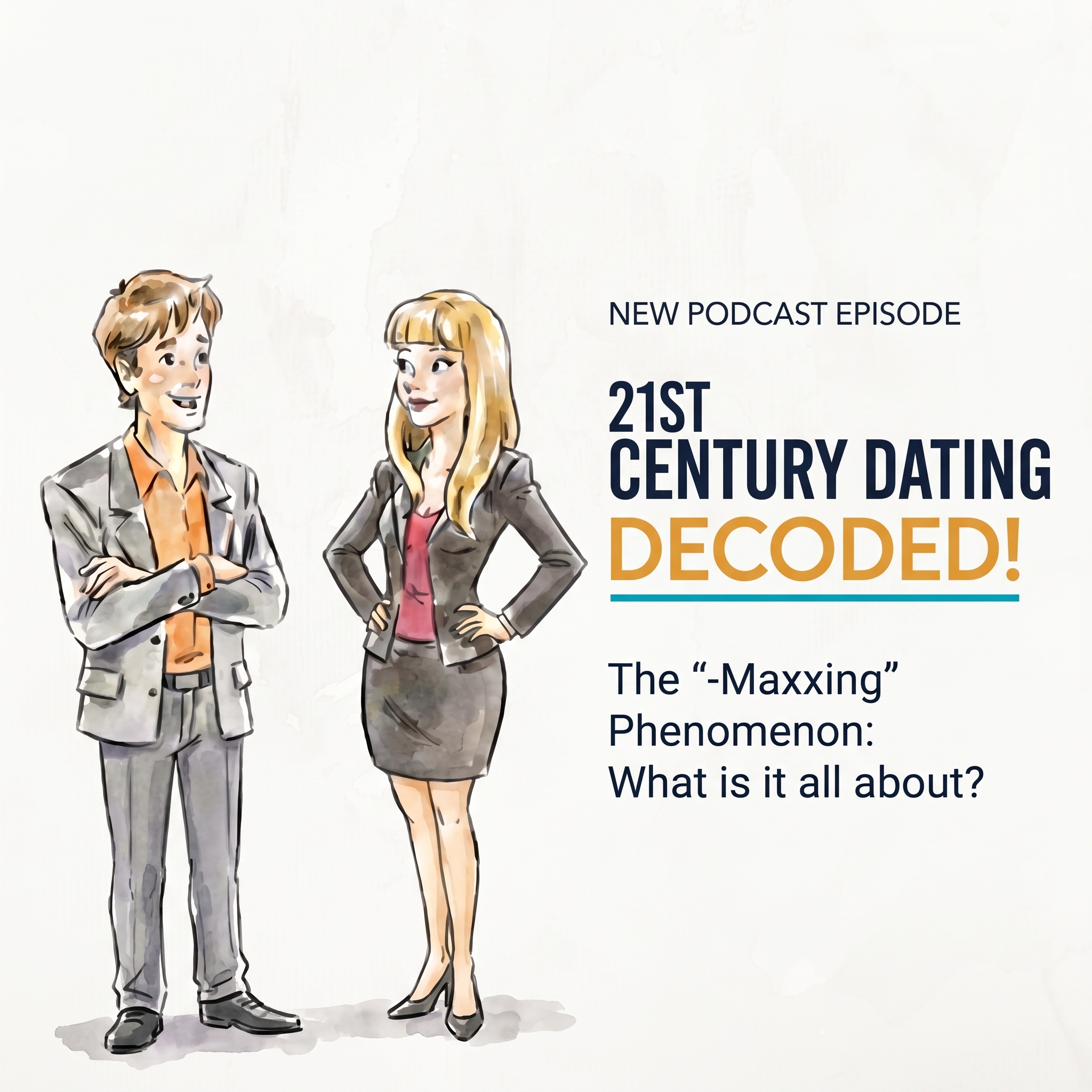
Across digital dating platforms and urban social scenes, a quiet behavioral shift has rapidly accelerated into a full-fledged cultural debate. The phenomenon, widely cataloged across social media and dating commentary platforms under the moniker “Bum-Maxxing,” describes a deliberate strategy where individuals minimize their personal financial expenditure, logistical effort, and emotional investment while systematically maximizing the lifestyle upgrades, gourmet dining, and material perks funded by romantic prospects. What began as an obscure internet subculture keyword has evolved into a mainstream dating dynamic, prompting serious discussions among sociologists, app developers, and single adults navigating the modern romantic marketplace. Industry observers note that the emergence of this tactic signals a transition from the genuine pursuit of romantic connection toward a strategy of calculated detachment, transforming dating from a cooperative endeavor into a zero-sum game of emotional dominance where practitioners attempt to gain psychological leverage at the expense of authentic intimacy.
The mechanics of the trend rely on hyper-calculated self-positioning, low-input efficiency, and a rigid performance of unavailability designed to project a sense of mystery and high demand through quantifiable optimization. Practitioners leverage carefully curated profiles tailored specifically to appeal to generous, high-earning, or inherently nurturing demographics, often signaling a desire for traditional romance or low-key domesticity to mask their underlying motives. Once a connection is established, the strategy relies on subtle expense-shifting, seamlessly guiding outings toward venue choices where the other party habitually picks up the tab. Strategic unavailability manifests as the deliberate delay of replies to messages, disappearing for days, and the maintenance of vague plans to signal that a potential partner is a low priority. Practitioners complement this by performing apathy—a process of suppressing natural warmth or excitement to maintain an air of indifference and project a chaotic, non-committal persona.
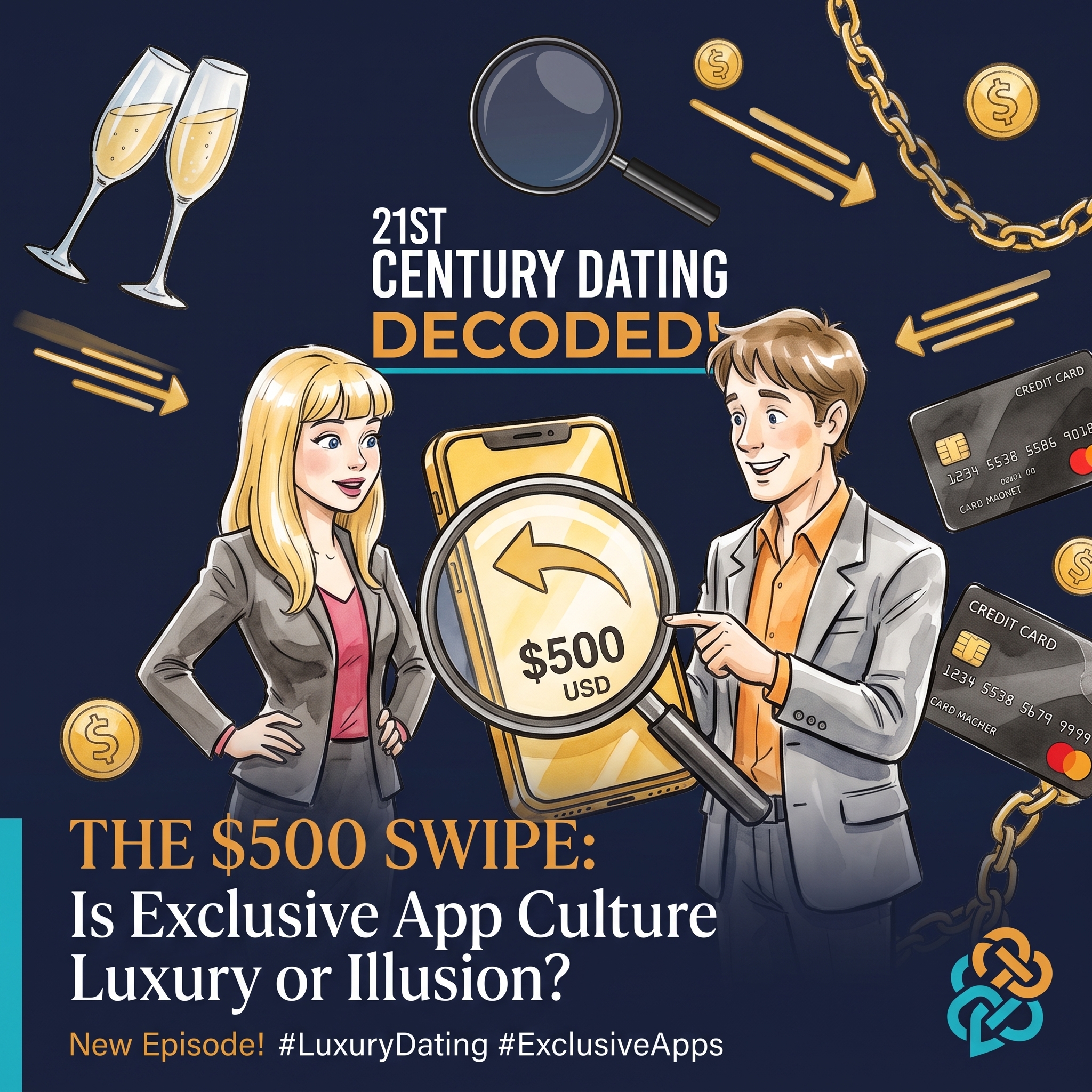
Rather than demanding overt luxury items, those employing the tactic frequently target everyday baseline living costs to offload their routine overhead onto eager suitors. This includes offloading expenses for artisanal groceries, ride-shares, premium streaming subscriptions, and home deliveries under the banner of casual romance. Additionally, the approach heavily utilizes low-effort engagement, offering the bare minimum during interactions and forcing the other person to carry the full weight of planning and conversational momentum. Dates are frequently redirected toward home environments—such as couch-surfing or last-minute coffee—under the guise of “Home-Body Maxxing” or preferring low-key intimacy, when the underlying intention is simply to avoid spending money on public venues or structured activities. Practitioners often frame a total lack of career momentum or vague professional status as being deeply focused on an unspecified, visionary side hustle, turning personal stagnancy into a curated aesthetic.
Economic pressures, shifting relationship norms, and widespread digital burnout have significantly contributed to the surge of this behavior among younger demographics. Persistent inflation, high housing costs, subscription fatigue, and stagnant entry-level wages have altered how young professionals manage their discretionary spending, leading many to view dating through an almost transactional economic lens. Concurrently, the pervasive influence of online self-optimization movements—which preach the endless optimization of personal finance, physical appearance, and time management—has normalized the idea of min-maxing personal relationships. The “-maxxing” suffix itself represents a linguistic marker that originated in radicalized online subcultures to describe the obsessive optimization of personal traits, drawing directly from academic game theory and the “min-maxing” strategies of tabletop games where players optimize for mechanical advantage over balance. In the modern dating ecosystem, this produces an optimization of disadvantage, where individuals operate under the belief that minimizing their own investment maximizes their power.
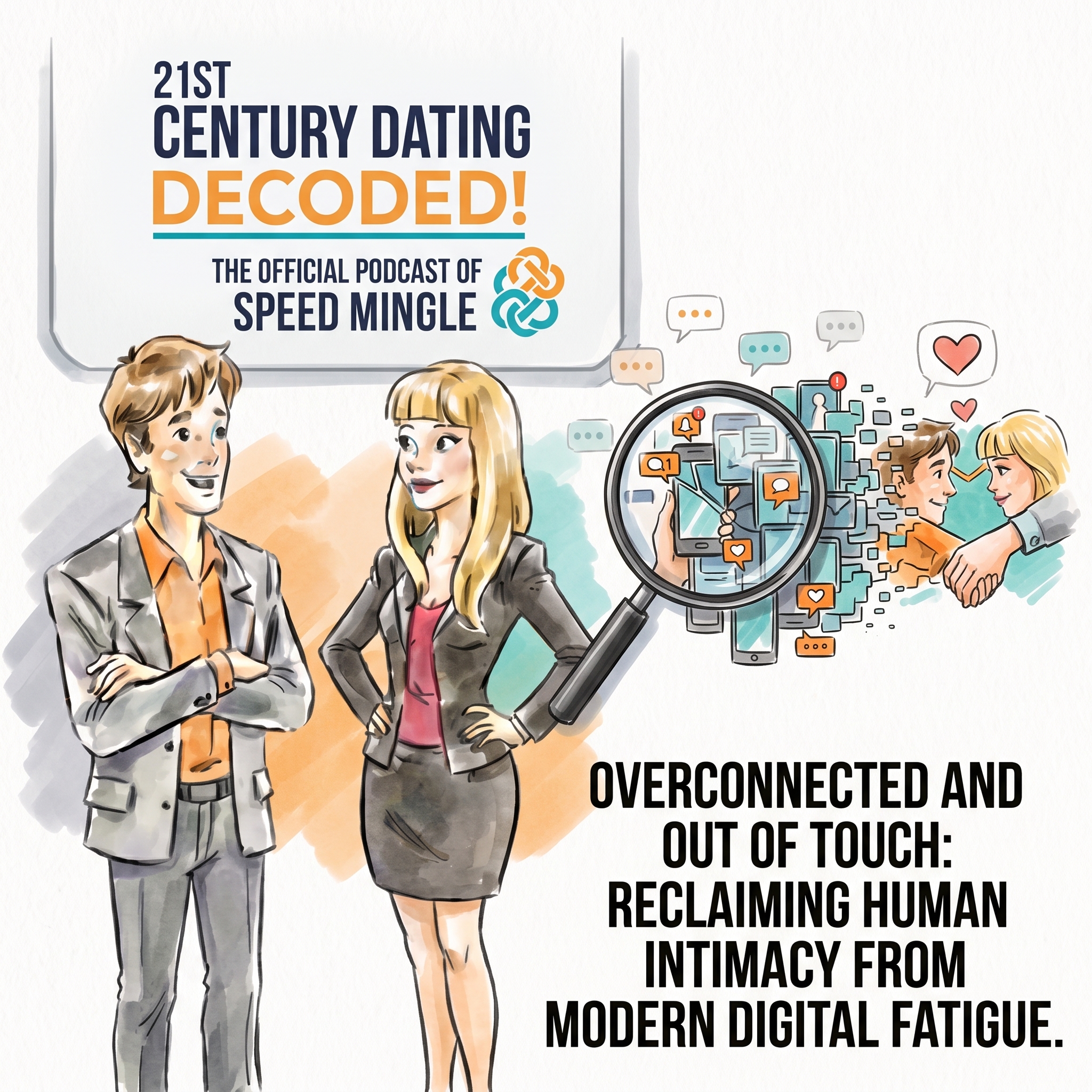
This systemic pivot toward emotional withdrawal is fundamentally fueled by profound digital exhaustion across matchmaking platforms. Data from a 2025 Forbes Health survey highlights the scale of this crisis, revealing that 79 percent of Gen Z and 80 percent of Millennials report feeling burned out by dating apps, with 40 percent of respondents specifically citing the inability to find a meaningful connection as the primary driver of their fatigue. As online dating feels increasingly burnout-heavy, algorithmic cynicism leads daters to treat potential partners as disposable assets, adopting toxic behaviors as a protective shield against rejection. Social sociologist Dr. Aris Thorne observes that as dating app fatigue reaches an all-time high, individuals increasingly disengage from genuine emotional connection to seek tangible, immediate compensation for the time and energy spent courting. Dr. Thorne notes that when the likelihood of securing a long-term emotional match feels low, participants default to extracting material value from interactions to ensure their investment yields a positive return, effectively turning casual dating into a secondary survival strategy.
Relationship experts and behavioral strategists view the trend as a paradox of self-sabotage that rebrands defensive reflexes as high-value behavior while delivering hollow results. Prominent dating coach Hayley Quinn has characterized the behavior as inherently toxic and self-interested, noting that while it promises protection from rejection by maintaining constant distance, operating from a calculated persona ultimately erodes self-worth. Relationship strategist Elena Vance further explains that this detachment stems from vulnerability burnout, where acting unbothered serves as an ego-shield. Both Quinn and Vance emphasize that the strategy carries heavy psychological costs because it almost exclusively attracts individuals with anxious attachment styles who are triggered by inconsistency, while secure, emotionally healthy partners quickly walk away from such low-effort dynamics. This creates a self-fulfilling prophecy of failure, where an individual’s deliberate lack of investment guarantees a poor outcome and reinforces their initial cynicism.
The rise of Bum-Maxxing exists alongside a broader, increasingly toxic lexicon of digital-age dating behaviors that function as linguistic weaponry, including terms like “kittenfishing,” “shrekking,” “puffer-fishing,” and “thorning.” While “kittenfishing” involves minor misrepresentations to stand out in a competitive market, “thorning” describes providing just enough attention to keep a partner hooked without ever following through on an authentic relationship. Reports emerging from digital message boards indicate that this specialized jargon acts as a metalinguistic indicator, serving as a social filter to exclude outsiders and signal in-group identity. The normalization of this terminology fundamentally impacts how young daters perceive intimacy, encouraging them to perform transactional personas rather than engaging authentically. This growing tribalism further erodes the baseline trust necessary for meaningful connection, threatening the overall stability of the romantic marketplace.
In response to these efficiency-driven tactics, a swift counter-reaction has taken root among digital creators, podcast hosts, and single adults who are actively publishing diagnostic guides to help daters spot behavioral red flags early. Key warning signs highlighted in dating communities include persistent ambiguity regarding employment, a strict reluctance to contribute to shared plans or split expenses equally, and a tactical preference for low-effort dates centered entirely around private convenience. Consequently, many single adults are establishing stricter boundaries earlier in the vetting process, rejecting financial asymmetry and choosing low-pressure, equal-commitment initial meetups that minimize exposure to opportunism.
As awareness surrounding strategic detachment grows, the broader dating landscape is witnessing the emergence of a counter-movement centered on clear pacing, mutual accountability, and healthy emotional autonomy. Matchmaking platforms are facing heightened pressure to redesign user experiences that incentivize genuine connection over gamified interaction, while singles are increasingly prioritizing direct communication regarding expectations and financial boundaries. The backlash against strategic detachment reflects a growing realization that while calculated apathy might temporarily shield the ego or yield short-term material perks, it creates a race to the bottom that forces all participants to adopt defensive maneuvers to survive. Ultimately, relationship analysts agree that vulnerability remains an essential requirement for mutual respect, and that long-term romantic stability depends on daters abandoning zero-sum games in favor of transparent, reciprocal effort.
Where to Listen & Watch
Audio: Apple Podcasts, Spotify, YouTube Music, Amazon Music, Audible, iHeart Radio, Deezer
Video: YouTube, Roku, Amazon Fire TV (search “Speed Mingle Network”), or mobile web app at SpeedMingle.mobi
Official Hub: 21stcenturydatingdecoded.com or TheSpeedMingle.com
Social Media: @TheSpeedMIngle
If you loved this episode, smash the subscribe button, drop a 5-star review, and share the link with that friend who still uses an expired filter on a dark headshot!
Until our subsequent episode: remain deliberate, maintain protection, and consistently date with a defined purpose.
#21stCenturyDatingDecoded #BumMaxxing #SpeedMingle #ModernDating #DatingDecoded #MixMatchMingle #DatingPodcast #OnlineDating