

Speed Mingle News
Beyond the Swipe: The Rise of “Meet Market 2.0”
Published on Tuesday, September 8, 2026
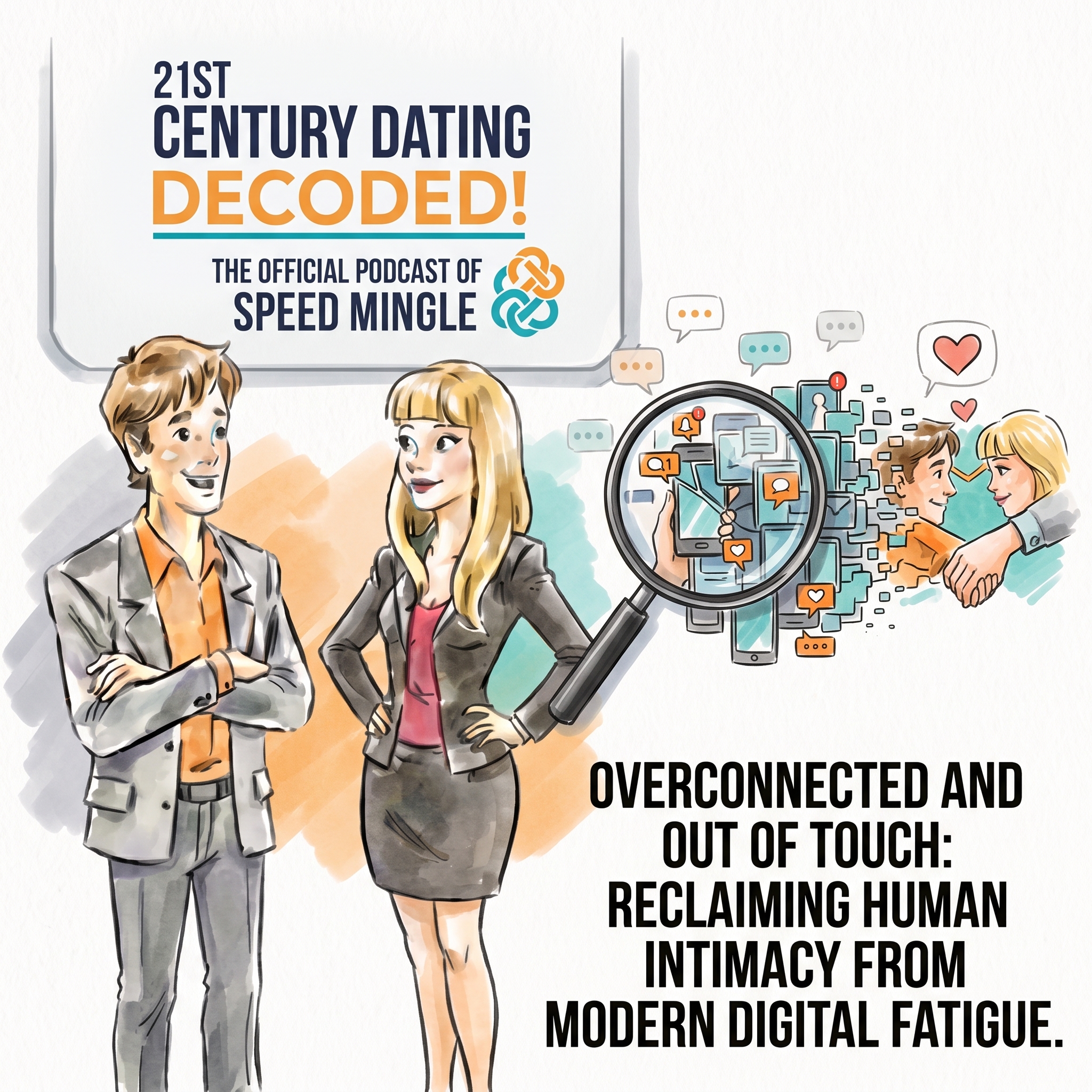
For over a decade, digital courtship was governed by a single, mesmerizing gesture: the rapid side-to-side swipe. Platforms constructed around instantaneous visual assessment promised an endless horizon of potential partners, yet they systematically yielded choice paralysis, superficial interactions, and widespread psychological exhaustion. Today, a fundamental paradigm shift is transforming the modern romantic landscape. Dubbed “Meet Market 2.0,” this movement marks a decisive departure from hyper-optimized screen interactions, charting a course toward intentional, real-world social ecosystems.
The modern social climate is undergoing a profound cultural correction—a strategic migration away from the gamified mechanics of mobile applications toward purposeful, in-real-life gatherings. This transition reflects a broader effort to repair the erosion of the “third space,” those essential communal environments that exist between the domestic sphere and the workplace. Meet Market 2.0 reclaims and elevates the historically derogatory “meat market” label of past decades. Where the high-volume nightclubs of the late twentieth century relied on overt physical evaluation, this emergent infrastructure prioritizes curated, low-pressure environments where organic chemistry can develop naturally through shared experience.
The Breakdown of the Algorithmic Match
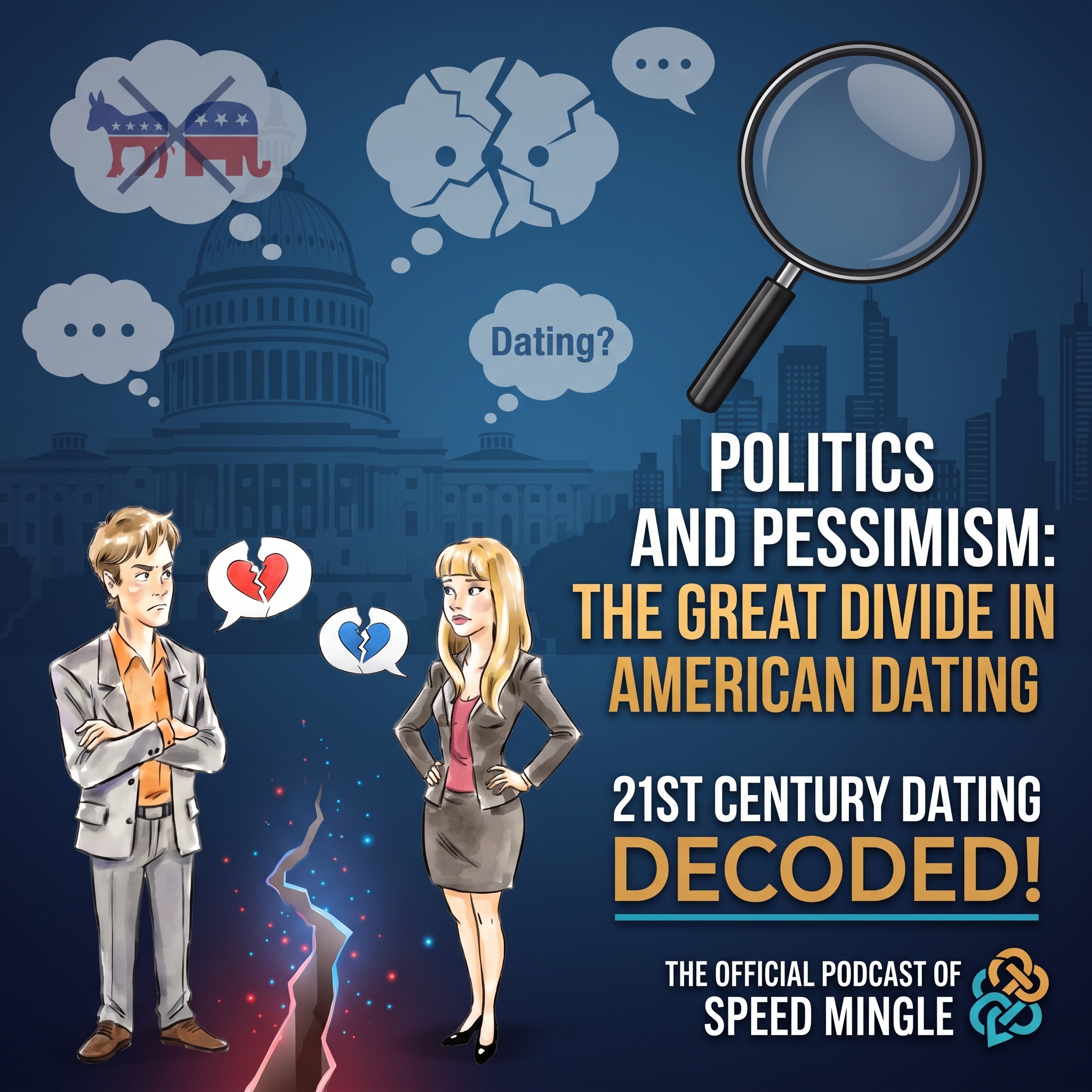
The decline of traditional dating applications has been accelerating across major metropolitan areas. Industry research indicates an unprecedented surge in consumer burnout, particularly among Gen Z and Millennial demographics, with survey data revealing that upwards of 75 percent of active users report severe application fatigue. Algorithmic matching models—originally engineered by software architects to maximize user retention and session length—frequently produced transactional interactions, unreturned messages, and low-conversion real-world dates.
From an economic perspective, time functions as the ultimate sunk cost in romantic discovery. Rational actors in the dating market are increasingly seeking search models that maximize their personal utility rate—the satisfaction derived from a connection relative to the time expended to secure it. In the traditional digital ecosystem, search frictions such as anonymity, lack of commitment, and ghosting kept this utility rate low by inflating the time spent on unproductive interactions. Meet Market 2.0 intentionally mitigates these frictions through structured curation, narrowing the search field to individuals with high baseline compatibility to facilitate more stable pairings.
“Dating apps commoditized human connection by attempting to digitize subtle biological signals,” explains Dr. Elena Rostova, a behavioral sociologist specializing in digital relationships. “By reducing complex individuals to a series of curated photographs and micro-bios, the technology removed the rich context of human chemistry. Meet Market 2.0 is not an anti-technology crusade; it is a vital recalibration. It leverages intentionality and physical context to restore what silicon interfaces stripped away.”
Historical Lineage: From Fern Bars to Digital Fatigue
To understand the mechanics of Meet Market 2.0, one must analyze the historic evolution of single-focused spaces over the last half-century. In the 1970s, communal gatherings were dominated by open social environments and the introduction of “fern bars”—airy, plant-filled establishments designed to offer single women a welcoming, safe alternative to dark neighborhood taverns. Simultaneously, expansive dance venues functioned as collective spaces where individuals could socialize without rigid expectations.
By the 1990s and early 2000s, however, these casual spaces had largely mutated into high-volume, loud-music nightlife venues. Characterized by expensive cover charges, high noise levels that prohibited conversation, and a heavy reliance on the high-anxiety “cold approach,” these spaces became known colloquially as “meat markets.” Their structural reliance on three-second physical judgments mirrored the exact flaws that would later plague early dating applications.
When location-based swiping applications emerged in the early 2010s, they promised to eliminate the friction, expense, and noise of the nightclub floor. Yet, after a decade of widespread adoption, the digital alternative created its own distinct isolation. The current emergence of Meet Market 2.0 represents a synthesis of these eras: it distills the spontaneous real-world proximity of late-twentieth-century nightlife while integrating modern standards of safety, curation, and consent.
What Defines Meet Market 2.0?
Unlike its software-first predecessors, Meet Market 2.0 does not rely on passive scrolling or prolonged digital messaging. Instead, it synthesizes curated physical gatherings, activity-driven networking, and micro-community structures designed to facilitate genuine human interaction.
Several distinct operational models are driving this movement:
Activity-First Social Clubs: Rather than arranging high-pressure, one-on-one drinks with strangers, single professionals are congregating around shared lifestyle pursuits. Morning run clubs, bouldering gyms, vinyl listening lounges, padel leagues, and communal dining networks have become the premier alternatives to traditional bars or digital queues. By centering interaction on a shared activity, social anxiety is naturally attenuated, allowing romantic interest to emerge as a low-pressure byproduct of the environment.
Curated Real-Time Gatherings: Event platforms utilizing lightweight technological vetting—such as private ticketed mixers, venue takeovers, or gatherings with managed demographic and interest balances—are experiencing record attendance. Participants bypass the protracted “pen-pal” texting phase entirely, entering physical environments explicitly engineered for fluent conversation and immediate chemistry verification.
Micro-Community Ecosystems: Niche platforms centered on specific professional industries, creative subcultures, or philosophical values are steadily superseding broad-market applications. The operational priority has shifted decisively toward quality of value alignment over raw volume of profiles.
Psychologically, the efficacy of these environments relies heavily on the Mere Exposure Effect—the phenomenon wherein repeated, safe interactions within a shared context gradually foster familiarity, trust, and attraction. Movement-based and activity-driven icebreakers further alleviate the social strain of initiating contact, replacing scripted pickup lines with natural, contextual dialogue.
Privacy and Security as Strategic Pillars
As real-world matchmaking experiences regain market share, consumer trust and data security have emerged as critical differentiators. Historical speed-dating operators and unvetted social organizers frequently suffered from privacy vulnerabilities, occasionally distributing attendee contact lists or publishing unedited event photographs across public social media channels for marketing purposes. This unauthorized exposure created significant friction for safety-conscious professionals wary of doxxing, digital harassment, or identity exposure.
In response, the modern Meet Market 2.0 framework integrates rigorous data privacy standards directly into its event design. Leading platforms employ encrypted check-in systems, confidential double-blind mutual matching portals, and strict media consent policies. Personal contact information is shielded behind secure interfaces and is released only when two participants explicitly confirm mutual interest following an event. Industry analysts emphasize that establishing physical safety and digital privacy as non-negotiable baselines is what enables participants to engage authentically without fear of ongoing digital exposure.
Economic and Market Implications
This behavioral realignment is generating significant ripple effects across the broader consumer economy. Hospitality groups, venue operators, and commercial lifestyle brands are aggressively repositioning their physical assets to capture the Meet Market 2.0 demographic.
Restaurants and lounges are shifting away from traditional isolated seating arrangements in favor of expansive communal tables, interactive tasting events, and curated weeknight social programming. Commercial brands are increasingly diverting digital ad spend toward sponsoring singles-focused pop-up events, recognizing that consumer attention is migrating from mobile banner displays toward immersive, live social activations.
Venture capital allocation is undergoing a parallel rebalancing. Investment firms that previously deployed capital into broad-audience algorithmic matchmakers are now directing funds into hospitality technology, venue-discovery platforms, and event-coordination tools that bridge digital discovery with offline execution. Emerging platforms are demonstrating remarkable financial viability; specialized event apps and mystery dinner networks now coordinate thousands of weekly localized gatherings globally, generating millions in recurring venue revenue while minimizing user search costs.
The Path Ahead
While Meet Market 2.0 effectively resolves many systemic flaws of the swipe era, the model faces distinct operational hurdles as it expands. Scalability remains the primary structural challenge; human-centered, event-driven operations are inherently more labor-intensive and geographically constrained than pure software platforms. Furthermore, ticket prices and subscription costs for premium curated gatherings carry the risk of creating socio-economic barriers to entry, potentially limiting accessibility.
Nevertheless, the overarching trajectory of the dating market is unequivocal. As digital saturation reaches a critical turning point and consumers actively reject screen-induced isolation, the demand for authentic, low-stakes human proximity is reclaiming center stage. The future of romantic discovery belongs not to the speed of an algorithm’s swipe, but to the depth of a real-world context.
Where to Listen amp; Watch
Audio: Apple Podcasts, Spotify, YouTube Music, Amazon Music, Audible, iHeart Radio, Deezer.
Video (Speed Mingle Network): YouTube, Roku, Amazon Fire TV (search “Speed Mingle Network”), or web/mobile app at SpeedMingle.mobi.
Official Hubs: 21stcenturydatingdecoded.com | TheSpeedMingle.com
Socials: @TheSpeedMingle
Smash that subscribe button, leave us a 5-star review, and share this episode link with that friend who is still using an expired filter on a dark headshot!
Until our subsequent episode: remain deliberate, maintain protection, and consistently date with a defined purpose.
#21stCenturyDatingDecoded #MeetMarket20 #SpeedMingle #BeyondTheSwipe #DatingAppFatigue #IRLDating #RealWorldRomance #DatingPodcast #SingleLife #RelationshipGoals