

Speed Mingle News
Free Agency Closes Today: Cuffing Season Begins
Published on Sunday, November 1, 2026
The Seasonal Paradigm Shift: From Free Agency to Autumn Commitment
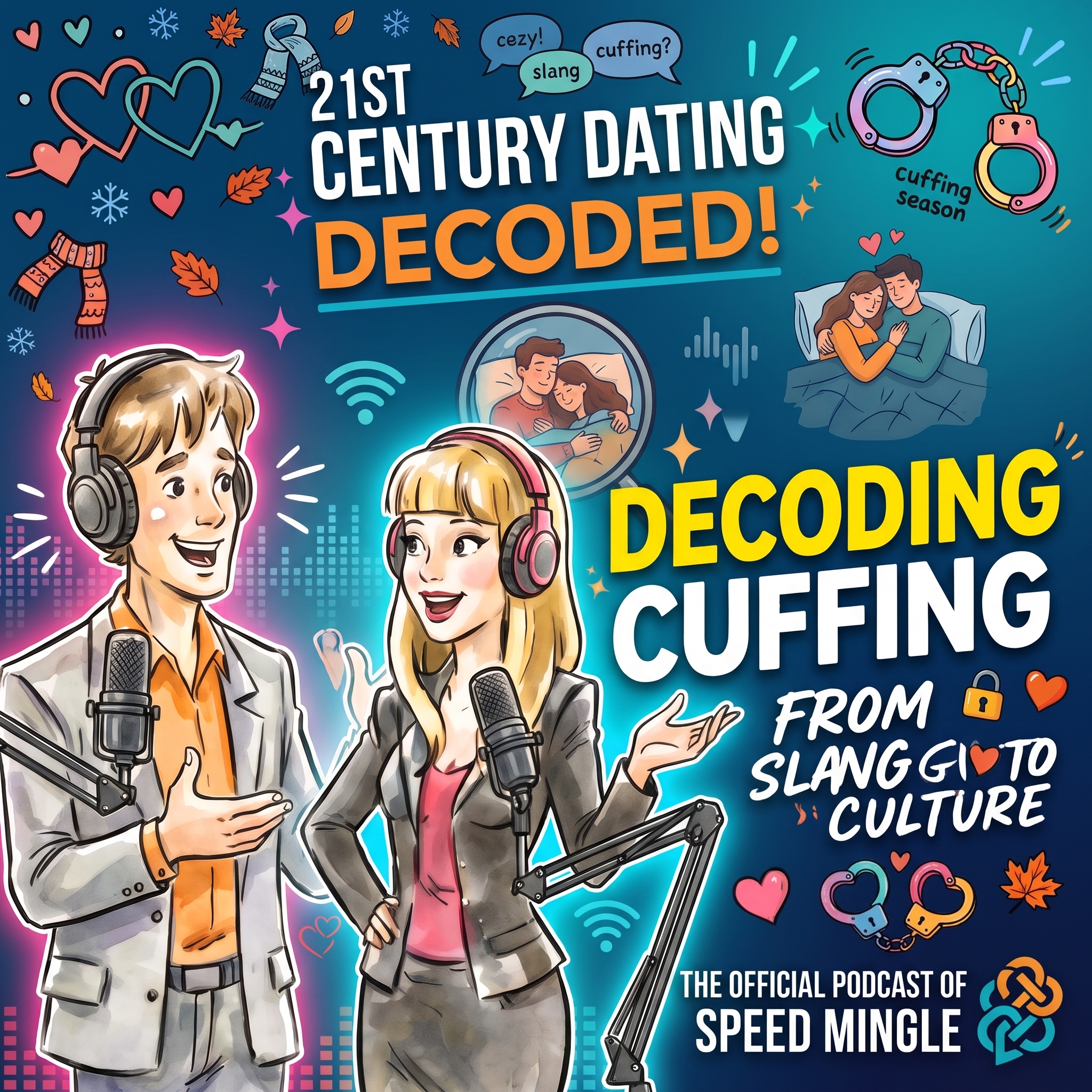
Modern romantic behavior undergoes a distinct seasonal oscillation, shifting dramatically as ambient temperatures drop and social calendars condense. During the warm summer months, single individuals operate in a state of romantic free agency, prioritizing casual exploration, social autonomy, and low-stakes encounters. However, the arrival of autumn triggers a collective socio-behavioral pivot known as cuffing season—a period where singles actively seek exclusive, short-term partnerships to navigate the cold, domestic months of winter. This transition underscores how environmental factors and cultural calendars dictate human intimacy, transforming individual mate-selection criteria from expansive long-term searching to immediate, localized comfort and shared shelter.
Empirical data confirms that this annual migration toward romantic pairing is widely recognized across demographic groups, with thirty-six percent of Americans acknowledging cuffing season as a genuine social phenomenon. This belief is particularly pronounced among younger cohorts, reaching fifty-two percent among Millennials born between 1981 and 1996. The heightened imperative to pair up during this window aligns directly with structural age disparities in singlehood. While forty-seven percent of adults under the age of thirty report being unpartnered—representing the most single demographic in the country—only twenty-one percent of adults aged thirty to forty-nine remain single. This sharp drop in singlehood among older cohorts highlights how the biological and social pressure to lock down temporary or permanent companionship disproportionately impacts younger adults navigating an expansive, yet isolating, dating landscape. Modern commercial culture has fully integrated this phenomenon, with dictionary entries in Merriam-Webster, corporate initiatives like restaurant chain Chipotle collaborating with dating app Hinge to launch a dedicated “cuffing menu,” and platform data from Bumble executive Priti Joshi revealing that over fifty percent of singles explicitly prioritize securing a romantic partner in time for the holidays.
The operational mechanics of cuffing season follow a structured timeline that mirrors an athletic pre-season. September serves as the informal drafting phase, where single individuals begin identifying potential romantic targets and surveying the digital marketplace. As temperatures drop in October, the dynamic shifts into the tryout phase, during which suitors evaluate prospective partners for their emotional availability, indoor compatibility, and winter durability. Halloween operates as the decisive cultural cutoff point; by late October, singles rush to secure temporary exclusivity before the major winter holidays commence. This locked-down status typically lingers until mid-February or the first signs of spring, when rising temperatures dismantle the practical need for shared indoor hibernation.
Despite the shared cultural awareness of this trend, significant gender disparities exist regarding how cuffing season is perceived and internalized. Men demonstrate a markedly firmer belief in the phenomenon, with forty-eight percent endorsing cuffing season as a real dynamic, compared to just thirty-five percent of women. However, when examining personal behavior across the entire population, only sixteen percent of Americans explicitly admit to feeling the personal urge to secure a winter relationship. This divergence indicates that while many individuals recognize the societal script of seasonal dating, a smaller, highly active subset of the population actively drives the market dynamics of winter pairing.
Understanding these macro-level timelines and gender perception gaps provides essential context for examining the deeper psychological anxieties and physiological shifts that push singles into winter arrangements.
Biological and Social Catalysts Driving Winter Hibernation
The instinctual push toward winter pairing cannot be dismissed as a mere product of internet meme culture or algorithmic dating trends. Rather, cuffing season represents a complex psychological and biological adaptation to environmental deprivation, seasonal light reduction, and intensified social expectations. As natural sunlight decreases and outdoor social activities wane, human neurochemistry undergoes measurable shifts that elevate the desire for physical proximity and emotional security. Consequently, seasonal dating functions as an adaptive survival strategy against winter isolation, where the physical act of cuddling acts as a hedge against psychological distress.
Research reveals that the underlying motivations for seasonal pairing are rooted in emotional self-preservation and physiological changes. Forty-five percent of individuals who believe in cuffing season attribute the urge to avoiding winter loneliness, while fifty-one percent cite a direct desire for companionship during cold weather, and thirty-one percent explicitly note the desire to stay physically warm. These emotional drivers coincide with broader physiological impacts, as roughly five percent of Americans experience Seasonal Affective Disorder during the winter months. Cold weather restricts outdoor engagement, triggering a neurochemical deficit as baseline levels of feel-good neurotransmitters like oxytocin and serotonin plummet. Intriguingly, clinical studies indicate this neurochemical deficit coincides with a seasonal spike in male testosterone production. This physiological contradiction—where a surge in biological impulse collides with neurochemical depletion—creates an urgent drive for connection that often outpaces genuine emotional compatibility. As licensed clinical social worker Kiana Shelton emphasizes, these intersecting biological forces frequently generate situationships—defined short-term, ambiguous arrangements—rather than viable long-term matches.
Compounding these internal biological drives is the intense external pressure generated by the winter holiday calendar. Running continuously from October through March, cuffing season encompasses a dense sequence of major social events, including Halloween, Thanksgiving, Christmas, New Year’s Eve, and Valentine’s Day. Navigating these gatherings alone frequently induces social anxiety, as single individuals face uncomfortable interrogations from relatives regarding their unpartnered status.
Relationship therapist Nicole McCance notes that individuals become cold, bored, and lonely during winter due to fewer outdoor activities and fewer friend visits, driving daters to seek temporary partners to fill emotional and social voids. In a world where physical distance can heighten isolation, McCance observes that having a dedicated cuddle buddy serves as a practical, comforting buffer to help individuals endure the dark months of winter.
While these psychological anxieties and biological imperatives create the appetite for winter companionship, it is the modern digital marketplace that provides the high-speed infrastructure to execute rapid partner acquisition.
Dating App Ratios and Market Imbalances
Modern dating platforms serve as the primary operational engine for cuffing season, offering an immediate, low-friction marketplace for singles seeking winter arrangements. However, these digital ecosystems are defined by severe structural demographic imbalances and shifting user behaviors that shape how men and women experience partner acquisition. As digital swiping replaces traditional organic meeting spaces, the algorithmic architecture of dating platforms exacerbates existing gender disparities, transforming the search for seasonal comfort into a fraught, highly unequal landscape.
Digital activity surges dramatically as ambient temperatures decline, with platform data reflecting a thirty percent uptick in dating app usage during the colder winter months. Survey data from Dating.com indicates that sixty percent of app users explicitly turn to digital platforms as a direct antidote to winter loneliness. While forty-four percent of surveyed app users report seeking long-term relationships, forty percent explicitly search for casual setups. This winter influx aligns with historical data from 2013 showing a reliable seasonal spike in online dating search queries during winter and January, alongside a secondary summer surge. Despite user fatigue—evidenced by average daily app engagement dropping from one hundred minutes in 2015 down to fifty-one minutes in 2025—apps remain pivotal, with data from The Knot in 2025 establishing that twenty-seven percent of engaged couples originally met online. Interestingly, broader crisis conditions have forced more intentionality into swiping ecosystems; data from Hinge indicates that forty-five percent of users reported developing healthier dating habits, accompanied by a twenty-seven percent drop in ghosting behavior as seasonal pinches force daters to communicate more clearly.
The underlying user base of the digital dating market is heavily skewed by gender, creating wildly asymmetric competitive dynamics driven by broader socio-behavioral realities. Overall, thirty-four percent of American men have used a dating app compared to twenty-seven percent of American women. Mainstream platforms remain heavily male-dominated: Tinder reports a global male user base of seventy-eight percent, which drops to sixty-five percent in the United States, while Hinge stands at sixty-four percent male, Bumble at sixty-two point five percent male, Ashley Madison at seventy-one percent male, and Grindr at ninety-three point two percent male. Conversely, female-dominated ecosystems center on specific demographic realities. The League features a fifty-five percent female user base, directly reflecting societal shifts where women outpace men in college completion. Senior platform OurTime skews fifty-two percent female, driven by higher female life expectancy and data showing that roughly two-thirds of wives outlive their husbands. Other female-leaning niche platforms include Christian Mingle at fifty-six percent female, Chispa at fifty-five percent female, and HER at one hundred percent female and nonbinary users. A select few platforms maintain balanced ratios, including OkCupid with an exact fifty-fifty split, Match.com at fifty-one percent female, and BLK at fifty-five percent male.
These demographic disparities generate starkly contrasting psychological burdens for male and female users during the seasonal rush. Men face intense algorithmic scarcity, compounded by data showing that a small top tier of ten to twenty percent of male profiles receives the vast majority of matches. Consequently, sixty-four percent of male app users report feeling insecure due to a complete lack of incoming messages. Conversely, fifty-four percent of female app users report feeling overwhelmed by the sheer volume of incoming communications. Furthermore, safety concerns severely restrict female participation, as fifty-six percent of young female users aged eighteen to forty-nine report receiving unsolicited sexual images, and eleven percent have been threatened with physical harm on platforms.
The structural friction of these digital platforms, combined with the desperate rush to secure a winter partner, often forces singles to overlook critical interpersonal warning signs and deceptive dating behaviors.
The Anatomy of a “Cuffer”: Identifying Deceptive Patterns and Red Flags
The compressed timeline of cuffing season creates an environment ripe for deceptive romantic practices, as the artificial urgency to secure seasonal companionship often leads individuals to bypass standard relationship vetting. In their haste to avoid winter isolation, singles frequently confuse intense early attention with genuine long-term compatibility. Examining the behavioral mechanics of disingenuous cuffers reveals how seasonal self-interest can escalate into manipulative dynamics that compromise emotional safety.
Relationship experts identify seven distinct operational signs that separate a transactional cuffer from a sincere partner. First, cuffers enforce an artificial urgency to meet and escalate intimacy early on, contrasting sharply with non-cuffers who typically court a partner for twelve weeks or more before declaring commitment. Second, cuffers aggressively lock down holiday event dates early to ensure they have a date to show off at family gatherings, avoiding uncomfortable inquiries from relatives like Aunt Betty and Uncle Joe. Third, they remain emotionally unavailable, deliberately keeping conversations light and surface-level to avoid building genuine personal attachments. Fourth, they insist on low-cost indoor dates—demanding to stay in and cuddle—to avoid investing time and financial resources into real dates or dining out. Fifth, they quickly leave personal items like toothbrushes and hoodies at a partner’s home by the third date to establish an effortless physical foothold. Sixth, they execute rapid love bombing, making early declarations of love before truly knowing their partner. Seventh, they rush the define-the-relationship conversation specifically to avoid being the sole unpartnered individual among their social or professional peer group.
When seasonal rush tactics intersect with clinical relationship warning signs, casual situationships can quickly deteriorate into emotionally damaging environments. Licensed marriage and family therapist Kayla Crane categorizes relationship red flags across a four-tier severity spectrum to assist individuals in evaluating relational safety. Yellow flags represent single incidents or minor patterns—such as badmouthing past exes or being rude to service workers—that require direct conversation. Orange flags signal serious concerns requiring firm boundaries, including love bombing, rushing relationship timelines, or emotional withdrawal. Red flags indicate major emotional dysfunction and manipulation, encompassing gaslighting, extreme jealousy, forcing a partner to walk on eggshells, and hot-and-cold intermittent reinforcement that creates a destabilizing trauma bond. Finally, black flags represent crisis-level threats requiring immediate safety protocols, including physical violence, explicit threats of harm, property destruction, and sexual coercion.
Seasonal pressure also amplifies specific behavioral friction points surrounding winter social traditions. Writer Julie Oltman of the One Love Foundation highlights three key relationship stressors that emerge during the holiday season. The first is a rigid refusal to compromise on holiday plans, where one partner treats their personal family traditions as superior to the other’s. The second involves unrealistic expectations surrounding gift giving, where financial strain and uncommunicated spending limits lead to discomfort, embarrassment, or disappointment. The third stressor is the choice to stay in an unhealthy or unfulfilling relationship purely to avoid the perceived stigma of being single during holiday gatherings.
As winter progresses, these unviable, pressure-cooked seasonal arrangements inevitably reach a breaking point when environmental conditions thaw and the cultural calendar shifts.
Engagement Season Versus the January Exodus
The transition from late winter to early spring marks a decisive inflection point in the seasonal dating cycle, exposing the ultimate durability of relationships forged under cold-weather pressure. As ambient light returns and social opportunities expand beyond the home, the practical utility of temporary hibernation arrangements dissolves. This biological and cultural shift forces a sharp divergence: relationships rooted in genuine compatibility transition into permanent lifelong commitments, while superficial cuffing arrangements collapse rapidly under the weight of renewed independence.
The colder months exhibit a striking statistical duality, operating simultaneously as a peak period for permanent romantic commitment and a widespread purging of incompatible matches. On one end of the spectrum, winter is recognized as Engagement Season, with nearly forty percent of all annual marriage proposals occurring between Thanksgiving and Valentine’s Day. December represents the focal point of this romantic milestone, accounting for twenty percent of annual engagements on its own, with Christmas Eve and Christmas Day standing as the two most popular proposal dates of the entire year.
Conversely, relationships built on temporary convenience face a steep statistical precipice as the holiday season unfolds. December 11 emerges as the statistically most popular day of the year for romantic breakups, as individuals sever unviable ties just before expensive holiday gift-giving and family introductions. This drop-off accelerates dramatically in the new year, leading January to be designated as National Breakup Month, anchored by the first Monday of the year, known professionally as Divorce Day. As spring thaws the physical environment, the biological impulse to hibernate dissipates. Casual cuffers dissolve these short-term arrangements, echoing the cycle described by thirty-eight-year-old dater Marla Torgerson, where partners abruptly end relationships right before or shortly after Valentine’s Day to pursue renewed singlehood in the warmer months.
Ultimately, cuffing season is not merely a transient social media trend, but an enduring socio-cultural and economic cycle that dictates user churn on dating platforms, drives targeted commercial marketing campaigns, and feeds the multi-billion-dollar wedding industry each spring. Navigating these seasonal dynamics without incurring or inflicting emotional harm requires heightened self-awareness, radical transparency, and strict interpersonal honesty. As relationship therapist Nicole McCance advises, preventing heartbreak during cuffing season requires individuals to lay everything on the table from the outset, continuously check in with themselves to evaluate if short-term arrangements remain emotionally safe, and openly communicate their expectations. By replacing desperate seasonal partner acquisition with deliberate emotional clarity, single adults can enjoy winter companionship while maintaining the self-respect necessary to build enduring connections across every season of the year.
🎧 Where to Listen & Watch:
Watch & Listen at Apple Podcasts, Spotify, YouTube Music, Amazon Music, Audible, iHeart Radio, Deezer, YouTube, Roku, Amazon Fire TV, and Google TV (search “Speed Mingle Network”), or mobile web app @ SpeedMingle.mobi.
🌐 Official Hub: 21stcenturydatingdecoded.com or TheSpeedMingle.com
📲 On Social Media: @TheSpeedMingle
Smash the subscribe button, drop a 5-star review, and share the episode link with that friend who still uses an expired filter on a dark headshot.
Until our subsequent episode, remain deliberate, maintain protection, and consistently date with a defined purpose.
#21stCenturyDatingDecoded #CuffingSeason #SpeedMingle #ModernDating #DatingTips #DatingAdvice #SingleLife #LoveInTheDigitalAge #RelationshipGoals #DatingAppChronicles