

Speed Mingle News
Brews & Real Views: Speed Mingle at Cahaba Brewing Co. In Birmingham, AL
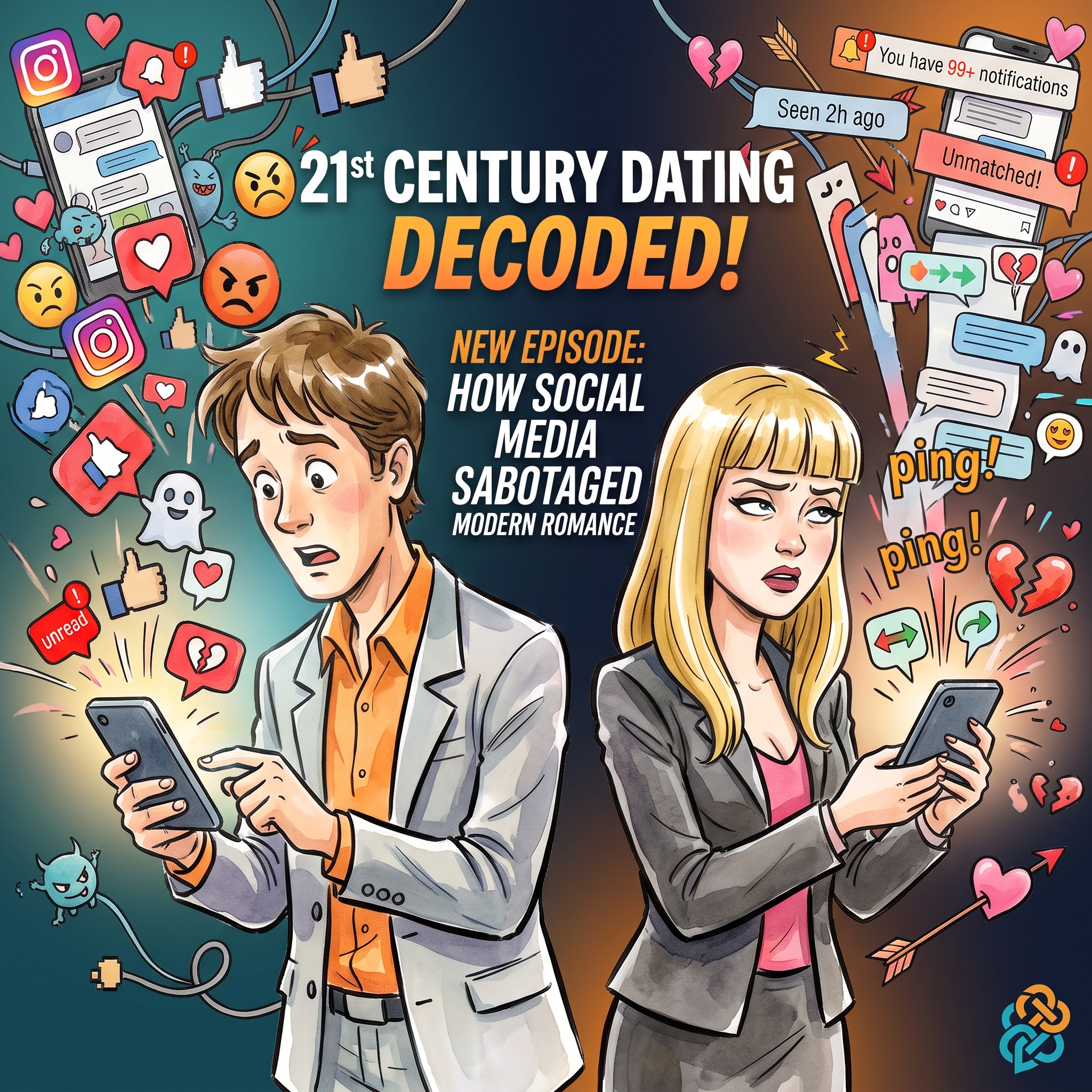
Picture a scene played out in millions of bedrooms across the country at 11:30 p.m.: a room illuminated only by the cold, distinct blue light of a smartphone screen. On the edge of the bed sits a lone user, thumb moving in an involuntary, muscle-memory rhythm—swiping left, swiping right.
This gamified catalog of local human beings is marketed as an endless menu of romantic potential. Yet, for a staggering number of users, the experience yields no butterflies—only a heavy, sinking dread.
“We are looking at a menu of thousands and somehow walking away feeling completely starved,” says Brad Peters, CEO of Speed Mingle, an analog-first social discovery company. “It makes you wonder if the architecture we built to foster human connection is actually the very thing suffocating it.”
The sociological data backing up this feeling of romantic starvation is immense. Nearly 40% of the entire United States population—approximately 127 million Americans—is currently single. Despite engineering the most complex, globally integrated communication networks in human history, metrics for isolation and profound loneliness are breaking historical records. Tech is ubiquitous, yet emotional famine has reached an ocean-scale crisis.
The SmartSync Paradox: Fighting Digital Fire with Digital Fire
In response to this landscape of digital burnout, a full-blown sociological counter-movement is quietly taking root. Operating out of its corporate headquarters in Birmingham, Alabama, Speed Mingle is utilizing state-of-the-art software architecture—including algorithmic compatibility scoring and encrypted privacy shields—to aggressively enforce a return to a 2001-style, analog, eye-to-eye interaction.
It is a total paradox: utilizing highly sophisticated digital tools to cure a social disease caused by highly sophisticated digital tools.
To understand the mechanics of this cure, one must look at the eerie historical mirror of Speed Mingle’s corporate timeline, which maps perfectly onto the rise, saturation, and ultimate fatigue of the digital dating era:
In 2001, Speed Mingle was founded in Omaha, Nebraska, establishing its early footprint by introducing structured physical events such as the “four-minute date” and “dining in the dark.” This corporate milestone took place within a rudimentary internet landscape dominated by dial-up modems and basic AOL chatrooms, which created a high motivation for physical attendance as people sought out real-world human connection. Between 2004 and 2006, the concept expanded to Birmingham, Alabama, where attendee Brad Peters eventually bought the company and moved its headquarters to the Southeast. This period marked an initial wave of regional growth for the brand, aligning with a broader societal context where analog speed dating was hitting its absolute cultural stride. Capitalizing on this momentum from 2006 to 2009, the company entered an aggressive expansion mode, pioneering LGBTQ+ mixers, friendship-building nights, couples’ events, and professional networking. This strategic evolution was driven by the corporate ambition to become a generalized physical social utility across the southeastern United States.
However, this momentum came to an abrupt halt in 2009 when the company went completely dormant following a macroeconomic crash. The severe economic downturn of the era decimated the hospitality industry and dried up discretionary consumer spending on social mixers, forcing the business into hibernation. This initiated a 14-year hiatus spanning 2009 to 2024, during which Speed Mingle sat entirely off the board as a ghost company. While the brand remained inactive, the cultural landscape underwent a massive paradigm shift, entering the “Wild West” era of mobile dating; Tinder launched in 2012 and Bumble followed in 2014, normalizing a highly gamified, infinite-scroll digital model. Finally, from late 2024 through 2026, Speed Mingle orchestrated a major relaunch, deploying a tech-forward platform specifically designed to capture a thoroughly exhausted consumer base. This corporate rebirth directly addresses modern societal shifts, tapping into widespread consumer burnout from swipe apps and capitalizing on the emergence of the “Great Demographic Divergence,” where users are increasingly abandoning digital fatigue in favor of intentional, face-to-face interactions.
“The industry sold society on the premise that scale equals quality—that access to 10,000 potential partners guaranteed an optimal match,” Peters explains. “But the infinite scroll was optimized for user retention, not user resolution. The platforms didn’t want you to find a partner and leave; they wanted you to stay engaged. Over a decade, this conditioned a population to treat human beings as disposable commodities.”
By the time Speed Mingle relaunched, they weren’t trying to disrupt a thriving industry. They stepped into a devastated landscape, letting the swipe apps do the dirty work of burning out the consumer base before offering a remedy.
Dismantling the Historical Landmines of Speed Dating
Returning to face-to-face interaction is a steep logistical hurdle. Historically, 90% of early speed dating companies failed long before apps existed because the in-person experience was often excruciatingly awkward, highly inefficient, and fraught with privacy risks. Legacy operations frequently relied on physical paper scorecards, and some defunct companies routinely emailed unredacted attendee lists—containing personal phone numbers and emails—to the entire room the following morning.
To bypass these operational hazards, Speed Mingle engineered its proprietary digital platform, SmartSync.
Rather than grouping people by rigid demographic silos like age, race, or gender, SmartSync prioritizes interest-based matching and psychographic compatibility. Before walking into a venue—such as a local craft brewery—attendees feed the platform data regarding their core values, specialized hobbies, professional goals, and absolute lifestyle deal breakers.
The algorithm filters out structural incompatibilities in the background. For instance, if a 32-year-old who is child-free by choice and focused on early retirement aligns perfectly on lifestyle parameters with a 55-year-old empty nester, the system permits the match, bypassing chronological birth years in favor of conversational chemistry.
The Privacy Shield
SmartSync acts primarily as a heavily fortified shield against the terror of real-time rejection:
- Anonymity: Attendees use only their first names. No last names, social handles, or business cards are permitted.
- No Direct Solicitation: Individuals are strictly prohibited from asking for phone numbers or contact information at the table.
- The Double Opt-In: As participants rotate tables, they discreetly log an impression (“interest” or “pass”) directly into the web app on their phone. The platform only unlocks a secure chat protocol after the event concludes, and only if the interest is entirely mutual.
By removing the threat of face-to-face rejection, the defensive posture of the room drops, allowing participants to relax without anticipating a social hostage situation.
Forcing Structure into Vulnerability: The 52+2 Game
Even within a secure perimeter, nervous strangers frequently fall into the soul-crushing “small talk loop,” spending their limited rotation discussing traffic or professional titles. To inject structure into vulnerability, Speed Mingle introduced a proprietary conversation catalyst: The 52+2 Card Game.
Developed in consultation with communication experts, a deck sits at the center of every table, acting as a conversational “wingman” that assumes the social risk of initiating unconventional topics. The 54 cards are divided into highly deliberate thematic categories:
- 21st Century Courting: Focuses on the shared trauma of modern dating, prompting participants to bond over disastrous dates and bizarre app interactions.
- Cringe Acute: A lighter category involving the rating of ridiculous pickup lines and over-the-top romantic gestures.
- Behind Closed Doors: Explores the tasteful, humorous side of physical intimacy. By reading the question directly from a physical card, participants can assess maturity and boundaries without absorbing the social risk of being inappropriately forward.
- The Ball and Chain: Examines the harsh realities of long-term commitment, shifting past the honeymoon phase to evaluate views on partnership versus domestic entrapment.
- No-No (The Third Rail): Intentionally triggers sensitive cultural, philosophical, and controversial issues.
“The ‘No-No’ prompts are not designed to spark online-style debates,” says Peters. “Online, you are interacting with text; you are devoid of evolutionary empathy cues. When you ask a highly charged question to a physical human being sitting 24 inches away from you, your biological systems reactivate. You monitor pupil dilation, micro-expressions, and vocal cadence. The presence of social decorum forces nuance back into the equation, re-civilizing discourse.”
A Glossary of Modern Romance and Psychological Armor
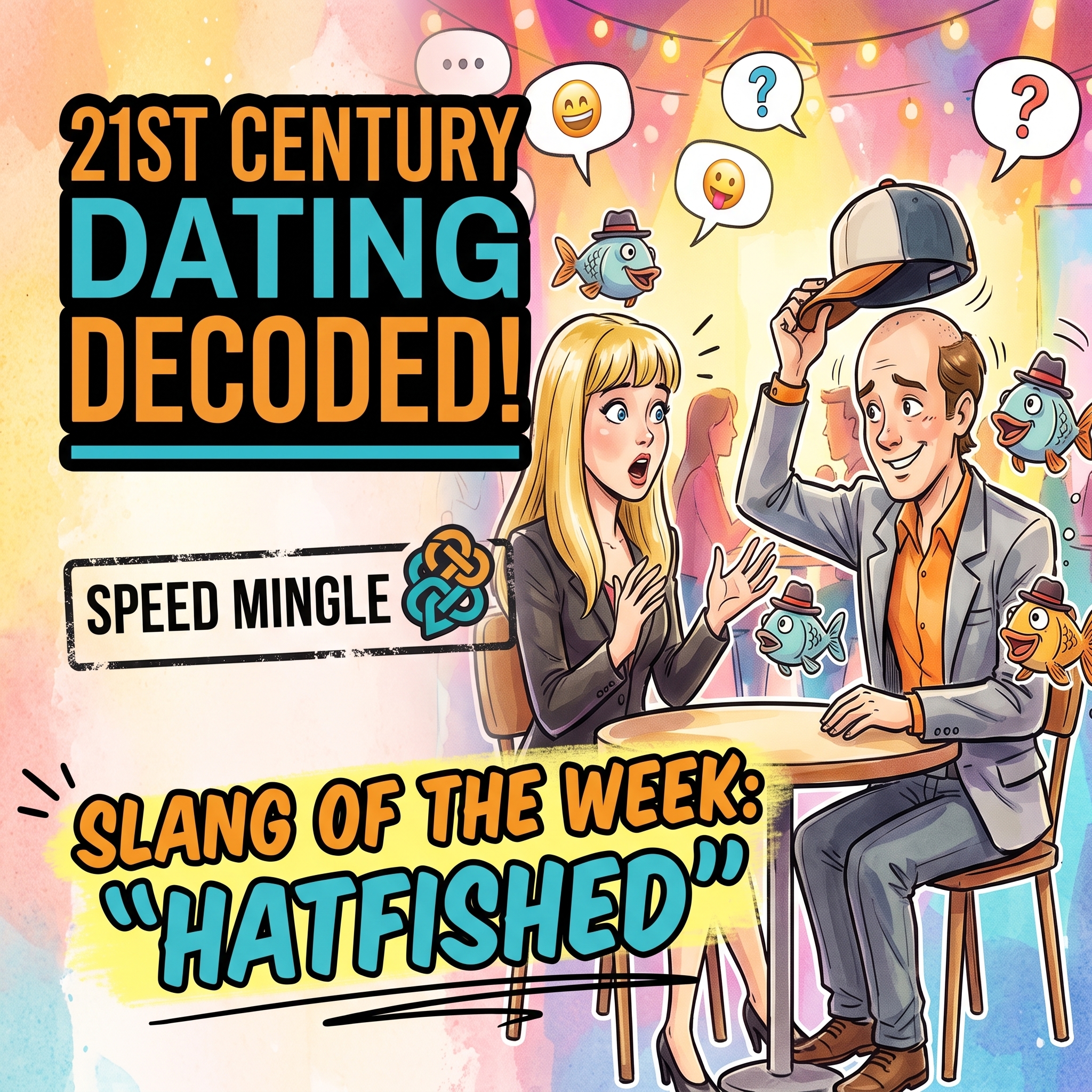
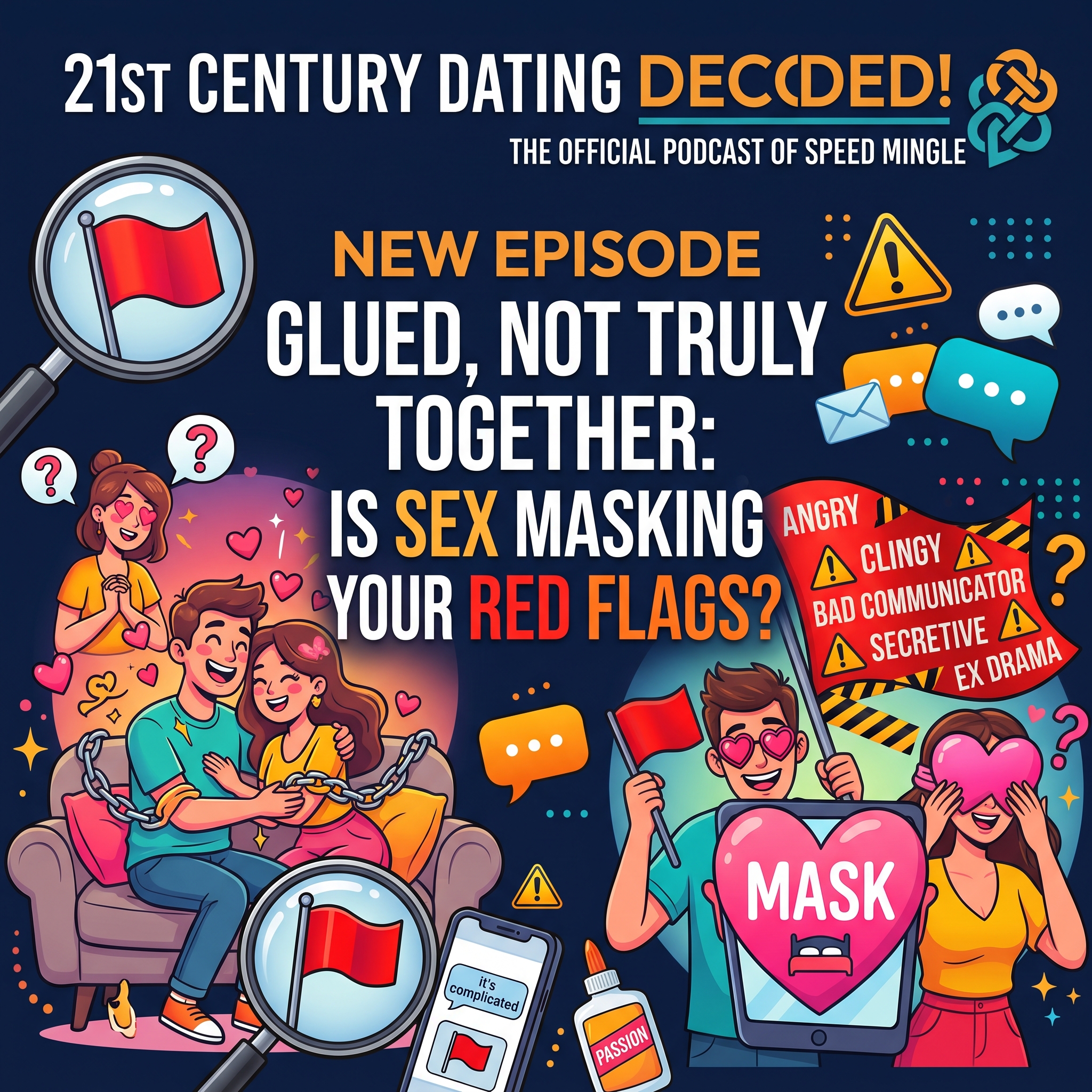
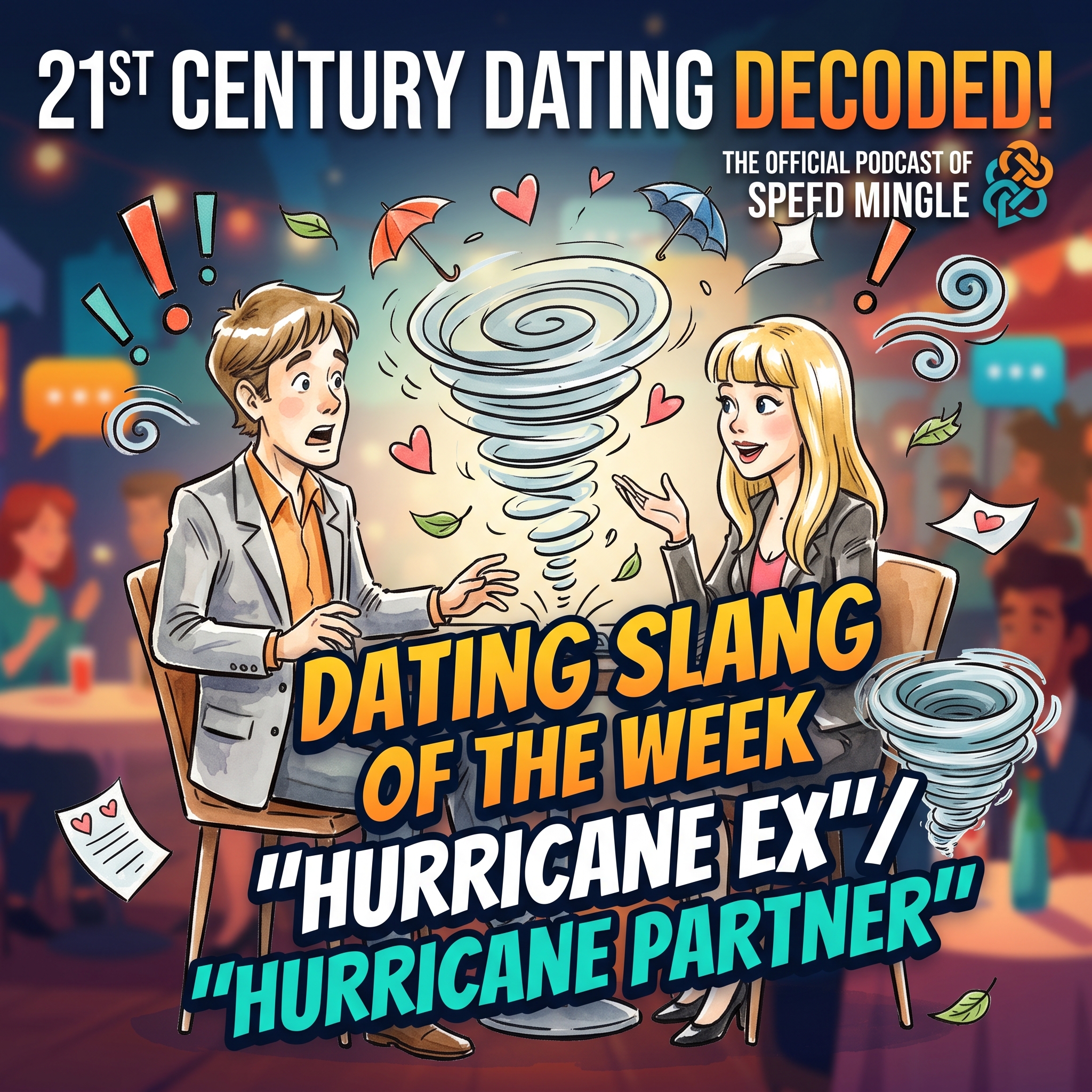
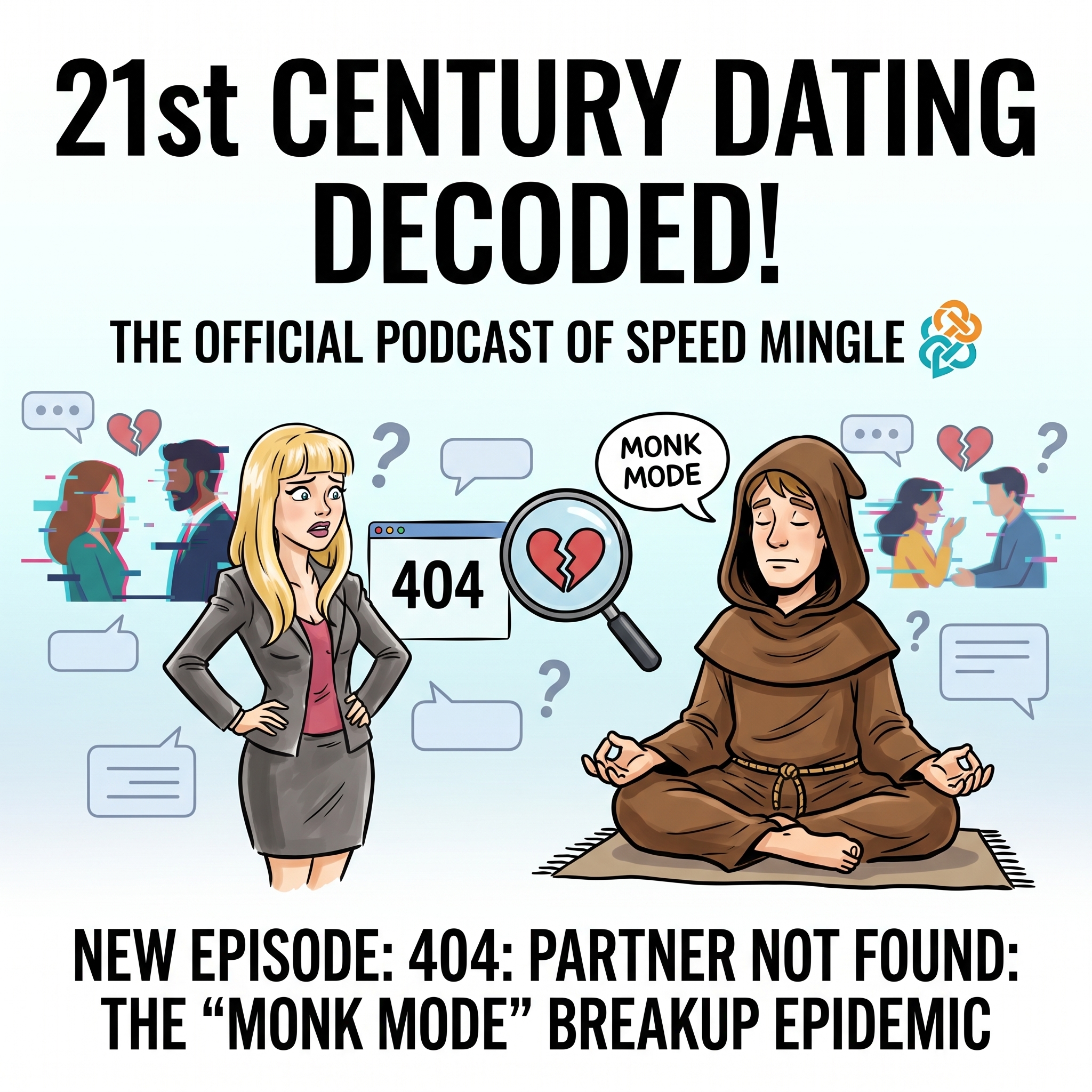
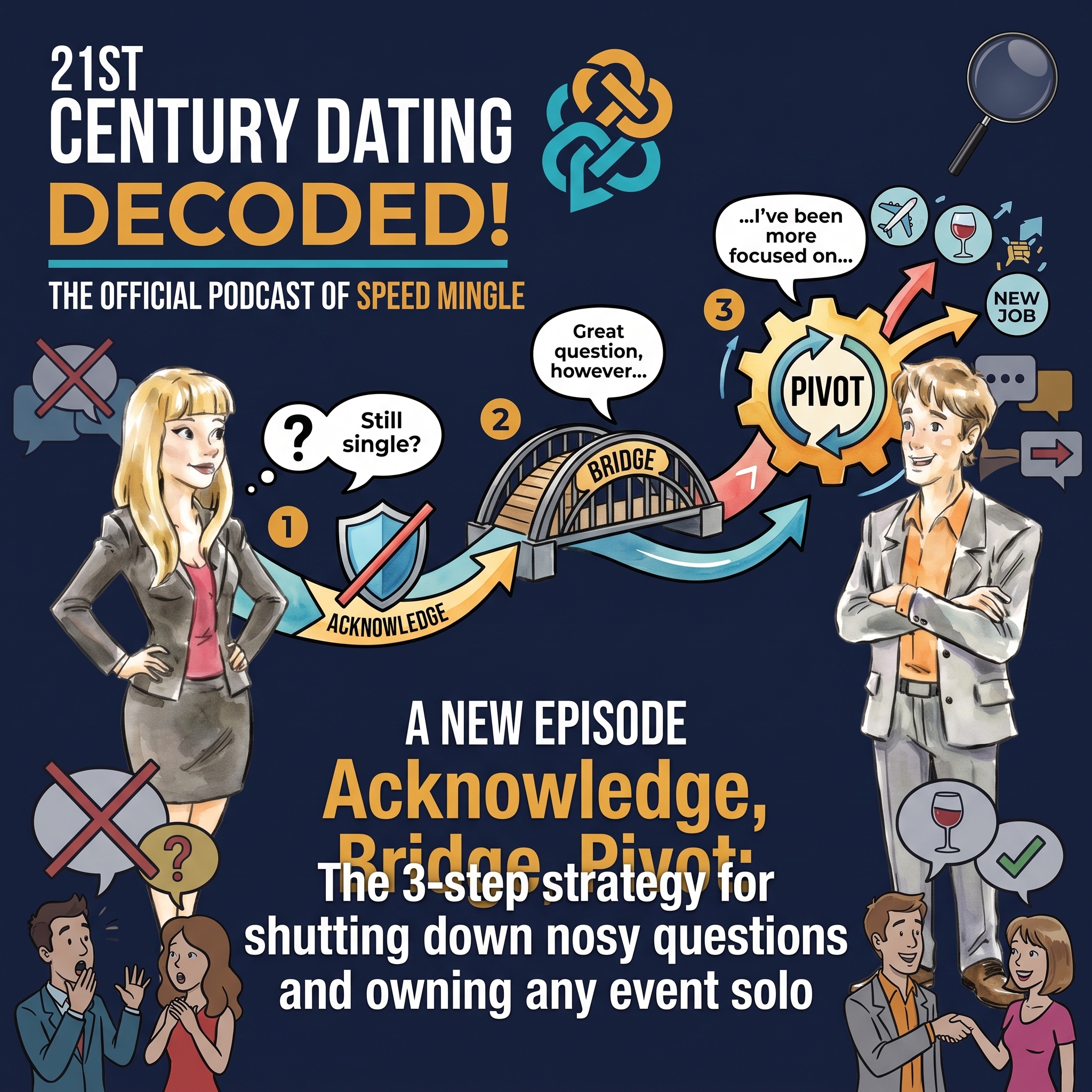
The urgent need for this analog architecture is documented thoroughly in the diagnostic logs of Speed Mingle’s podcast, 21st Century Dating Decoded. A recurring segment, the “Dating Slang Scan,” reveals how the modern lexicon has mutated into something highly clinical—functioning as psychological armor to insulate users from the raw impact of rejection.
Delusionships
The act of aggressive, unilateral over-imagining based on minimal digital input. A user receives a single text and constructs an entire fictional future narrative within hours. Sociologists identify this as a trauma response to extreme emotional scarcity; it is psychologically safer to engage with a fantasy avatar who can never reject you than to face a flawed human being. When the typing bubble disappears, the user experiences the neurological grief of a genuine breakup.
Banksing
The ultimate manifestation of preemptive self-sabotage, named after the street artist Banksy, who famously shredded his own artwork the moment it sold at auction. In dating, “banksing” occurs when a relationship is progressing healthily and appreciating in emotional value. Terrified of vulnerability and potential heartbreak, an individual panics, deliberately activates the “shredder” by provoking an unresolvable conflict or vanishing, thereby retaining control over the timeline of destruction.
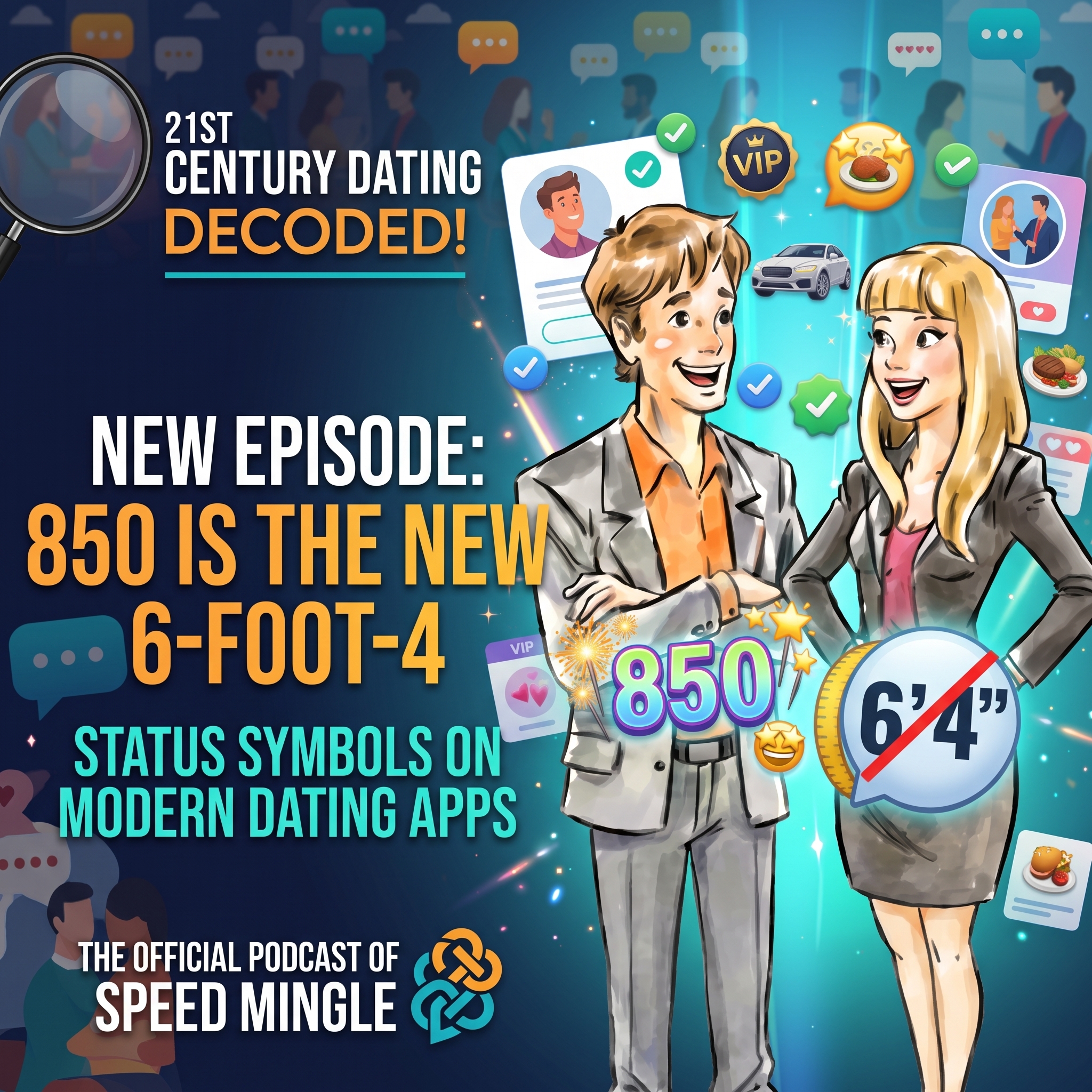
The Four Sixes Phenomenon
A viral checklist driven by ecommerce-style app filters mandating that a partner must be at least six feet tall, earn a six-figure salary, possess a six-pack of abs, and maintain a six-month buffer from a previous relationship. This hyper-quantification filters out 99.9% of humanity before character is ever assessed, treating people like configurable laptops rather than measuring chemistry or resilience.
Ghost lighting
A toxic upgrade to standard ghosting. An individual vanishes completely for months, then re-initiates contact casually (e.g., liking a post or sending a mundane text). When confronted by the victim, the perpetrator denies the reality of the disappearance, shifting responsibility with phrases like, “We just naturally fell out of touch; you could have reached out too.” It weaponizes digital ambiguity to make the victim question their own sanity.
Freak Matching & True Casting
The radical rejection of universally palatable, committee-designed dating profiles. While “freak matching” involves leading with obscure, highly specific eccentricities to deliberately narrow the funnel to someone sharing the same unique neurosis, “true casting” is its unironic evolution driven by older demographics.
Stemming from what Peters calls “the Great Divorce Revolution”—an influx of singles in their late 50s, 60s, and 70s dissolving long-term marriages—true casting is the privilege of total exhaustion. Older daters bypass digital avatars entirely, laying out unvarnished, uncompromised realities (“I have a bad hip, significant emotional baggage, and zero intent to alter my routine”) face-to-face, demanding absolute sincerity.
The Summer Sizzle and Beyond: Choosing an Objective
This summer, Speed Mingle’s large-scale decentralized event, the Summer Sizzle, down in Birmingham, Alabama, expects hundreds of local participants. Under current 2026 guidelines, the ecosystem requires attendees to explicitly define their social objectives by selecting one of four distinct “deal breaker tracks” via SmartSync before arrival:
- Professional Ascent: Structured localized networking and career mentorship.
- Social Synergy: Explicitly for cultivating platonic, real-world friendships.
- Romance and Real Chemistry: The traditional, long-term romantic dating track.
- Spontaneous Adult Play: A carefully structured category for casual, non-committal physical encounters.
By decoupling speed meeting from strict romantic exclusivity, the company aims to recreate the historical functionality of the old-world town square or local tavern, where business partners, gym buddies, and spouses were all discovered in the same shared room.
Strict Enforcement of Decorum
Regardless of the track, all attendees are bound by stringent operational rules. The official dress code policy leaves zero room for cultural fragmentation, explicitly stating: “Dress as if you were with your grandmother in public. If she would not approve, change.”
Furthermore, the company’s aggressive refund policy directly challenges modern tech entitlements. Bold text in the corporate FAQ states that no refunds are offered if an attendee fails to find a match or if no one in their specific age bracket attends. “You are not buying a soulmate for a $35 ticket fee,” states the event guide. “You are paying for the curation, the venue, the encrypted privacy shield, and the opportunity to exist in a safe space with other intentional human beings. The technology can build the arena, but it cannot swing the bat for you.”
As the social technology of 2026 continues to evolve, Speed Mingle’s trajectory suggests that the ultimate, most advanced application of software may not be to keep users glued to a screen, but rather to execute its administrative functions so quietly in the background that it disappears entirely—leaving human beings free to look each other in the eye and navigate the beautiful friction of a real conversation.
🎧 Listen to 21st Century Dating Decoded!
Prefer to listen on your commute or at the gym? Access our podcast on your favorite podcast app – Apple Podcasts, Spotify, YouTube Music, Amazon Music, Audible, iHeart Radio, or Deezer.
📺 Watch 21st Century Dating Decoded!
Want to see the data and the drama unfold? Watch on our YouTube Channel, Roku & Amazon Fire TV (Search: “Speed Mingle TV Network”) or HRB TV Network (Our parent corporation’s dedicated broadcast channel)
Never miss again by subscribing directly on the world wide web at: 21stcenturydatingdecoded.com
#BrewsAndRealViews #SpeedMingle #CahabaBrewing #BirminghamAL #BhamEvents #InPersonDating #AnalogConnection #DatingBurnout #SmartSync #FindYourPeople #MagicCitySingles #RealConversation